Anti-Inflammatory Diet

All health care starts with diet. My recommendations for a healthy diet are here:
Anti-Inflammatory Diet and Lifestyle.
There are over 190 articles on diet, inflammation and disease on this blog
(find topics using search [upper left] or index [lower right]), and
more articles by Prof. Ayers on Suite101 .

Showing posts with label milk. Show all posts

Saturday, March 15, 2014

Health Diagrams II — Curing Autoimmunity and Allergies

In this second in a series of posts explaining the concepts that I think are central, but misunderstood, about health, I am focusing on how diet and gut flora impact the immune system and cause autoimmunity and allergies.  This cause also suggests a simple cure.
Gut Flora to Tregs to Suppression of Autoimmunity
It is important to understand at the outset that autoimmunity and allergies are caused by a damaged immune system, and repairing the damage cures the diseases.  Damage to the immune system typically represents a break in the continual development of immune cells in the lining of the intestines.  Immune cell development in the gut is dependent on bacteria, the gut flora.  Damage to the gut flora, e.g. by antibiotics, processed foods that lack flora feeding fiber or extreme diets, disrupts development of immune cells.  Typically, loss of the immune cells that keep the aggressiveness of the immune system in check, regulatory T cells or Tregs, results in autoimmunity.  Fix the gut flora and autoimmunity recedes.  


Health Requires Suppression of the Aggressive Immune System
For simplicity, I am focusing on the T cells of the immune system that develop in the intestines and either kill other human cells that are dangerous, e.g. virus-infected or cancer cells, or provide protection by regulating the aggression, Tregs.  Normal functioning of the immune cells permits elimination of damaged or dangerous human cells, while at the same time avoiding rampages of lethally armed T killers.  Examples of untamed T killers in action are degenerative autoimmune diseases, such as arthritis, asthma, prostatitis, celiac, Hashimoto’s thyroiditis, type I diabetes, inflammatory bowel diseases and atherosclerosis. 

Milk Births Baby Immune System
It should not be surprising that the focus of immune system development is the gut.  We start as babies with explicit links between nourishment and immunological protection.  Milk connects the immune systems of mother to baby.  Immune cells from the mother are transferred in milk and colonize the respiratory and digestive system of the baby — the mother’s immune system coats and buffers the baby’s exposure to the world.  Milk hormones close the baby’s gut and milk bacteria are the first probiotics that exploit the milk prebiotics (bifidus factor, human milk oligosaccharides) to produce a gut flora.  [Also note that most commercial probiotics are adapted to grow on cow’s milk and hence these dairy probiotics do not survive in adults.]  The lymphatic system of the breast terminates at the nipple and samples antigens/pathogens from the baby’s mouth, resulting in baby-specific secretory antibodies that return in the milk.  Milk supports a starter set of gut flora, essentially dairy probiotics, that stimulates development of the baby immune system, but inhibits adult gut flora that would digest the protective components of milk.  Formula, on the other hand, is inflammatory to the baby gut, because it supports adult gut flora before the immune system is ready.  Inflammation and stimulation of innate immunity is sufficient, if supported with high levels of sanitation, to permit survival of babies fed formula.  Milk of any type is incompatible with adult gut flora, so breast milk will attack adult gut flora and adult gut flora will digest and inactivate the otherwise beneficial components of the milk.
Aggressive and Suppressive Cells of Immune System Develop in Intestines
Gut bacteria are required for the development of immune T cells in the lining of the intestines.  Mice grown without gut flora do not have functional immune systems.  In humans, extensive antibiotic treatment produces defective immune systems that are either overly aggressive, i.e. autoimmune, or susceptible to infection and cancer.  They can’t be both.  Aggressive T killers are stimulated to develop by filamentous bacteria and Tregs develop in response to members of the Clostridium family.  In a healthy body, there is a balance between aggression and suppression; there are functional defenses against infection and cancer, while also avoiding autoimmune disease and allergies.

Suppressive Tregs are Deficient in Autoimmunity
Immune cells result from replicative divisions of stem cells.  Antibody producing B cells are produced through a million random rearrangements of antibody genes and those B cells producing antibodies against common self proteins are killed (clonal deletion).  Similarly, T cells are produced by rearrangements of receptors and those that would recognize self are eliminated.  The T cells then migrate to the intestines where they can develop into killer T cells or Tregs, in response to gut flora.  The Tregs act to suppress killer T cells that mistakenly recognize healthy self cells.  Thus, the initial elimination of self-attacking T cells or for B cells that produce antibodies that bind to normal cells, is not perfect and the Tregs are needed to avoid the mistakes.  Tregs are necessary to avoid the immune attack on healthy cells that is the basis of autoimmunity.

Autoimmunity Starts with Inflammation, but Requires Deficient Tregs
Bacterial or viral infections, or physical damage causing inflammation is the first step in autoimmunity.  It is the inflammation that initiates the interactions between proteins, autoantigens, of normal cells and cells of the immune system that bind, internalize, fragment and present the antigen fragments/peptides to activate B or T cells with corresponding receptors.  The activated B cells make antibodies specific for the antigen and the T cells will kill cells displaying the antigen.  It is interesting that most proteins are not autoantigens and are never involved immune reactions.  Only proteins with an unusual triplet of basic amino acids, similar to the quartet of basic amino acids used to transport proteins into the cell nucleus, are candidates to be autoantigens or allergens.  In fact, since nuclear proteins already have a quartet, i.e. the nuclear localization signal, they are common autoantigens.  The last requirement for autoimmunity is a deficiency in Tregs, because if the Tregs are functioning, they will block attack on healthy cells.  Treg deficiency usually results from loss of the type of gut bacteria that stimulate Treg production in the lining of the intestines, i.e. species of Clostridium.

Hospitals are Notorious for Clostridium difficile Infections
Fecal transplants are now recommended as a safe and efficacious treatment for C. diff hospital infections.  That makes sense, because hospitals are where antibiotics are routinely used and C. diff can only infect people missing their healthy species of Clostridium.  Thus, the hospitals wipe out the gut flora with antibiotics and then recolonize them with their own antibiotic resistant C. diff.  More antibiotics can’t fix it, but providing healthy gut flora (transplant) can.

Autoimmune Diseases are Treated/Exacerbated with Antibiotics
Both the aggressive and the suppressive immune cells require gut flora, so after initial antibiotic treatment wipes out bacteria required for suppression and results in autoimmunity, the remaining aggressive half of the immune system can be eliminated by blasting the remaining gut flora with more antibiotics.  Of course this will leave a highly compromised, incompetent immune system that will ultimately yield more extreme symptoms.  This is the typical medical progression for Crohn’s disease, for example.  The alternative is just fixing the gut flora to begin with and curing autoimmunity.

Cure Autoimmunity by Feeding Clostridium Resistant Starch
Autoimmune diseases, by their symptoms, show that sufficient gut flora to stimulate the aggressive half of the immune system is still present.  What is missing are the Clostridium species that convert soluble fiber, such as resistant starch, into short chain fatty acids, e.g. butyrate.  Patients treated with antibiotics usually walk away from the hospital with a suggestion to eat some yogurt to repopulate their missing gut flora.  Unfortunately, dairy probiotics don’t survive in the gut and cannot repair the gut flora and immune system.  The result, after the gut fails to repair and the immune system crashes, is autoimmunity.  There is a more appropriate possibility to avoid or fix autoimmunity.  Some people suffering from autoimmunity (and with remnants of their gut flora intact) have simply fed their gut flora on resistant starch and achieved complete recoveries.  Others fail to respond, because their gut flora is too severely damaged and necessary bacterial species are gone.  Those individuals need to eat the missing species of bacteria and some probiotics (more common in Asia) contain Clostridium species.  Consistent with this use of soluble fiber to feed gut bacteria that produce butyrate and stimulate the suppressive immune system are reports of healing by combining potato starch (RS) and probiotics with Clostridium butyricum (Probiotic-3).  Repair of the suppressive immune system by repair of gut flora (including fecal transplants) and feeding gut flora with appropriate soluble fiber, may be a general approach to the cure of most autoimmune diseases and allergies.

Saturday, January 25, 2014

Milk, Kefir and Gut Flora


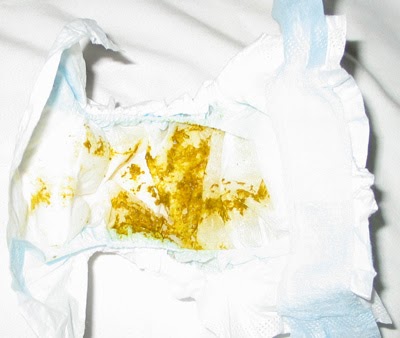
Milk is a dramatic manipulator of gut flora.  It is a baby’s first food and provides necessary nutrients, but of equal importance, it crafts a community of gut microorganisms that develop the gut and immune system of babies.  Breastfed babies receive protein, fat and sugar, but they also coat their tiny stomachs and even their respiratory system with maternal lymphocytes and bacteria.  The major carbohydrate in breast milk is lactose, but there are other prebiotic oligosaccharides (HMO, human milk oligosaccharides) and polysaccharides (GAGs, glycosaminoglycans) related to heparin and chondroitin, which carefully limit which bacteria can grow in babies.  There are firm reasons why exclusively breastfed babies have diapers that smell like yogurt and look like curds and whey.

Milk Shows an Exaggerated Interaction between Food and Flora
Evolutionary selection is extreme to favor women who can successfully birth large babies and nurture them for years on breast milk.  Fewer than 5% of women in a general population need medical intervention for gestation, labor, delivery and breastfeeding.  Essentially all women and babies are genetically predisposed to healthy childbirth and milk-based child development.  Clearly, milk is powerful and an examination of the composition of milk should yield information on the interaction between food and gut flora.

Milk is the Prebiotic for Dairy Probiotics
Traditional preservation of cow's milk produces fermented kefir, butter, yogurt, cheeses, etc.  These are all controlled fermentations that begin by converting lactose into lactic acid.  Michael Pollan devoted a major section of his book, Cooked, to the cultural ramification and biology of fermentation.  It seems magical that leaving milk to sour will reproducibly yield a common dairy beverage.  When I taught microbiology, I had students spike raw cow’s milk with E. coli and then measure the decreasing survival of these common gut bacteria that are actively excluded from dairy fermentation.  One of the lessons here is that milk stops the growth of adult gut bacteria and supports the growth of lactic acid bacteria found in baby diapers and used to make fermented dairy products.

Milk is Toxic to Most Microorganisms, until Digested
Enzymes in the stomach convert milk proteins into antimicrobial peptides.  Later in the small intestines, pancreatic proteases digest and inactivate the peptides until they are converted into amino acids and are absorbed by the intestinal microvilli.  Milk is a natural antibiotic and is used ritually for cleansing wounds and pruning hooks.  Ritual fire walking ends by walking through a pool of cow’s milk.  The spread of plant disease in orchards from tree to tree is minimized by dipping pruning tools in milk.  The proteins, fatty acids and carbohydrates in milk kill or inhibit the growth of viruses, bacteria and fungi.  Early studies of the bacteria in breastfed babies showed an exclusive group of lactic acid bacteria and an absence of adult gut bacteria.  Breast milk was shown to contain a “bifidus factor” that selected for baby gut flora and this special ingredient was later shown to consist of a complex mixture of short chains of sugars, human milk oligosaccharides.  Thus, human milk is good for babies, but bad for adult gut flora because most of the protein, fat and carbs are digested and no soluble fiber remains for colon gut flora. 

Formula Kills Baby Gut Flora
Formula made from cow's milk or soy is toxic to baby gut flora and even a single bottle of formula can permanently damage it.  The disastrous impact of formula on gut flora is readily observed in the change to smelly diapers.  Mothers trying to give the best start to their babies can tell when the night nurse got lazy and just fed her baby a bottle of formula!  Use of formula in hospitals instead of mothers nursing or using donor milk greatly increases contamination of babies with deadly strains of hospital bacteria, e.g. C. dificile, and causes necrotising enterocolitis.  The only reason that babies can survive formula and the growth of adult gut flora in the first weeks of life, is that the disrupted gut flora is highly inflammatory and the inflamed gut provides some protection from infection.  Babies are tough, but there is no reason for hospitals to continue to use formula when research clearly shows that it is a risk to the health of babies.  Health concerns are forcing hospitals to encourage exclusive breastfeeding, but more work needs to be done so that donor breast milk is the alternative.

Raw Avoids Risks of Pasteurization and Ultra Homogenization
Milk straight from the udder contains natural dairy probiotics that are fit for a calf.  Dairy probiotics are different from baby gut flora and calves are different from babies, so cow milk is not appropriate for babies.  Processing cow's milk by heat (pasteurization) or extreme mixing to make ultra small fat droplets (homogenization) changes the structure of milk to increase storage shelf life, but the restructuring also produces some health risks for gut and gut flora.  Since leaves are rich in short chain omega-3 fatty acids and seeds are rich in omega-6s, grass fed cows produce healthier (higher 3/6 ratio) milk that may not store as well.

Kefir is a Yeast and Bacteria Biofilm
Commercial dairy products are uniform, because they are made from milk using defined mixtures of pure cultures of bacteria and fungi.  These dairy probiotics can substitute but not replace gut flora, because they can't grow in a healthy gut.  Kefir is a little different, because the kefir grains are biofilms of yeast and bacteria held together by a polysaccharide called kefiran made by a bacterial enzyme that rearranges the glucose and galactose sugar residues of lactose.  The point here is that if you grow your own kefir, you may end up with many species of bacteria and some may be able to contribute to your gut flora.  Many supermarket "kefirs" are just a blend of common dairy probiotics and maybe some inulin, and have no benefits over commercial yogurt.


Dairy products are nutritious, but will not benefit the health of your gut flora (fermented vegetables are a better choice), because they lack soluble fiber and do not contain gut flora, but your gut flora may adapt to the inherently disruptive nature of raw milk.

Thursday, June 9, 2011

Udder Nonsense

Recent articles in the popular press have heralded the genetic engineering of cows with some human milk proteins.  Milk produced by these transgenic cows is advertised as being similar or the same as human  breast milk.
This is like claiming that the udder in the picture is an all natural, low BPA container for fortified water.  

The breakthrough in humanized cow's milk, announced by Chinese researchers in PLoS One, actually documents replacement of cow lysozyme with the corresponding human enzyme.  That does not make the milk human anymore than adding egg white lysozyme would turn the cows into chickens. If it moos like a cow...
Cow's milk-based formula harms infants, because the carbohydrates it contains do not support the normal development of infant gut flora.  The result is gut inflammation, and not normal gut and immune system development.  Even human proteins produced in cows will have characteristic cow sugars attached.  It is these cow sugars on milk proteins that are associated with colic. The chains of sugars (milk oligosaccharides) free and/or associated with milk proteins are different in cows and humans, and cow carbs are a problem in formula.
I think that it is silly to support humanizing cow's milk formula, when the sensible solution is to support breast feeding and licensed human milk banks.  The natural approach is much cheaper and far healthier.  Only human milk and human milk-derived fortifiers should be used for infants (especially preterm) in hospitals.  It is time for the healthcare industry to realize that disruption of gut flora by antibiotics or artificial formula is a health risk.  The data are clear -- cow's milk (including transgenic cow’s milk) in the hospital may be profitable, but it is unhealthy, e. g. contributes to Clostridium difficile and necrotizing enterocolitis infections, and contributes to long term health problems, such as inflammatory and autoimmune diseases.
References:

Friday, May 28, 2010

Necrotising Enterocolitis, Low Birth Weight and Formula

Human Milk and Milk Supplements Protect Newborns

Babies born prematurely are at risk of a serious bacterial infection of the intestines, necrotizing enterocolitis (NEC), that can be prevented if formula based on cow’s milk products is avoided and human milk is used for all feedings.
Human Milk Protects Against Formula Based NEC
Feeding low birth weight, premature babies formula made from cow’s milk increases their risk of NEC ten fold.  Replacement of some of the cow’s milk formula with human milk from a milk bank reduces NEC. 
Human Milk and Cow’s Milk Are Very Different
What is present in human milk that protects against NEC?  The major components in milk are proteins, lactose, fats and oligosaccharides (short to medium length chains of sugars.)  Human milk and cow’s milk have the same amount of fat (35 grams/liter) and about the same amount of lactose (65 vs. 45 g/l) and protein (10 vs. 35 g/l).  The big difference is in the amount (5-10 vs. 0.05 g/l) and quality of oligosaccharides.  Human milk has more than 100 times the amount of oligosaccharides as cow’s milk.  That also means that about 10% of the carbohydrates in human milk are non-nutritive human milk oligosaccharides (HMOs).
HMOs Are Not FOS
Human milk oligosaccharides are complex, with over 200 different structures identified so far.  Essentially they are made up of a lactose (a disaccharide consisting of galactose linked to glucose) extended by different numbers of N-acetyllactosamine (lactose with a modified glucose) and a few other sugars attached a various locations.  A different enzyme is used for each modification and the synthesis of these oligosaccharides has not yet been figured out in detail.  More than a dozen different genes are devoted to the synthesis of these oligosaccharides.  These oligosaccharides are not structurally or functionally related to the frucose oligosaccharides used as prebiotics.
HMOs Are Prebiotic and Stop NEC
Human milk oligosaccharides have been tested both for their ability to act as prebiotics to encourage the development of normal baby gut flora and to suppress NEC.  The HMOs were found to be the elusive bifidus factor that stops the development of adult gut flora and facilitates only the development of the Bifidobacterium bifidum monoculture found in exclusively breastfed babies.  HMOs also reduce NEC in the same way as whole human milk.  Another interesting aspect of HMOs is that they modify the oligosaccharides produced on the surface of baby intestinal cells.  Babies fed human milk also secrete HMOs in their urine, indicating that ingested HMOs are absorbed in the intestines and reach the blood stream.
Neonatal Nurseries Should Use Only Human Milk
Human milk is now available to neonatal intensive care nurseries through milk banks and purified components of human milk are also available to supplement feedings for very low birth weight premature babies.  Nursing is still best for baby and mother, but those mothers who choose not to nurse need not compromise the health and development of their babies by using cow’s milk-based formula or supplements.  Every dollar spent on pasteurized donor milk ($3/oz.) reduces costs in neonatal intensive care units by more than ten dollars.  It seems to be time to eliminate the added risks of formula use in hospitals and provide every baby with a healthy start and normal gut flora by only using human milk products in hospitals.
ref.
Lars Bode. 2009.  Human milk oligosaccharides: prebiotics and beyond 
Nutrition Reviews® Vol. 67(Suppl. 2):S183–S191 

Saturday, July 4, 2009

An Autoantigen for Pancreatitis

Pancreatic Secretory Trypsin Inhibitor (PSTI) Has Internalization Basic Triplet

Pancreatitis is an inflammation of the pancreas resulting from lack of adequate inhibition of proteases. Autoantibodies against PSTI would explain some forms of pancreatitis.

I was researching the maintenance of baby gut flora by mother’s milk, when the reference discussed here was brought to my attention by my wife, who happens to be a lactation consultant. The paper showed that PSTI is present in colostrom, the first milk that a baby gets, before the true milk comes in. PSTI protects the new gut from digestion by its own pancreatic proteases, since PSTI is a protease inhibitor that sticks to the gut.

I naturally assumed that PSTI stuck to the gut by heparin-binding domains that would stick to the heparan sulfate proteoglycans on the gut surface. [Recall that it is via these HSPGs that viruses and bacteria infect the gut and the HSPGs in turn are protected during infections by the release of heparin from mast cells. The heparin in the guts of cattle and pigs are used to make commercial heparin to block blood clotting.] So I looked up the structure (above, with basic amino acids in blue and basic triplet on right) sequence of human PSTI at NCBI:

>gi|190694|gb|AAA36522.1| PSTI
MKVTGIFLLSALALLSLSGNTGADSLGREAKCYNELNGCTKIYD
PVCGTDGNTYPNECVLCFENRKRQTSILIQKSGPC

The basic triplet (RKR,arg-lys-arg), from my perspective, should result in presentation to the immune system during high levels of inflammation, and as a consequence result in autoantibodies against PSTI. The result would be the neutralization of the protease inhibitor and damaging production of active protease to attack the pancreas, i.e. pancreatitis.

It would be fairly easy to test this hypothesis by looking for the anti-PSTI antibodies in some people with pancreatitis. Other autoantibodies, e.g. against tissue transglutaminase, might also be checked, because the inflammation that produced one autoantibody may produce others and both PSTI and tTG are produced in the intestines. In fact, celiac may be the cause of some cases of autoimmune pancreatitis.

Note added in proof:

I just checked the literature on PubMed and found that PSTI is in fact an autoantigen in pancreatitis and produces antibodies against PSTI:
Raina A, Greer JB, Whitcomb DC. Serology in autoimmune pancreatitis. Minerva Gastroenterol Dietol. 2008 Dec;54(4):375-87.

and
I found that pancreatitis is often found associated with celiac (gluten intolerance):
Patel RS, Johlin FC Jr, Murray JA. Celiac disease and recurrent pancreatitis. Gastrointest Endosc. 1999 Dec;50(6):823-7.

ref:
Marchbank T, Weaver G, Nilsen-Hamilton M, Playford RJ. Pancreatic secretory trypsin inhibitor is a major motogenic and protective factor in human breast milk. Am J Physiol Gastrointest Liver Physiol. 2009 Apr;296(4):G697-703.