Anti-Inflammatory Diet

All health care starts with diet. My recommendations for a healthy diet are here:
Anti-Inflammatory Diet and Lifestyle.
There are over 190 articles on diet, inflammation and disease on this blog
(find topics using search [upper left] or index [lower right]), and
more articles by Prof. Ayers on Suite101 .

Showing posts with label inflammation. Show all posts

Monday, July 20, 2015

HELLP, Preeclampsia, Antiphospholipid Antibodies and Basic Triplets

—-the other 200 posts —-
Clotted RBCs in Capillary
Some of my research involves the unique properties of milk and the development of the immune system, so I talk to medical people, lactation researchers and occasionally discuss the control of inflammation involved in ovulation, fertilization, implantation, gestation, labor and lactation.  It is clear to me that there are a few trends in disruption of these pregnancy processes resulting from the modern increase in inflammation and gut-related problems linked with immune tolerance.  Infertility is increasing, because women are becoming more chronically inflamed.  Miscarriages and premature births/low birth weight are increasing, because chronic inflammation enhances labor.  Pre-eclampsia (high blood pressure and protein leaking into the urine) results from chronic inflammation and omega-3 fatty acid depletion.  Now an even scarier form of pre-eclampsia, HELLP (Hemolysis, Elevated Liver enzymes, Low Platelets) is on the rise.  I want to discuss HELLP to put all of these pregnancy-related problems into perspective.


HELLP, Cause and Cure Unknown?
HELLP is an autoimmune disease and I have repeatedly discussed the cause of autoimmune diseases:  1) inflammation, 2) deficiency of Tregs (immune tolerance) and 3) antigen basic triplets (antigen presentation).  When HELLP was recently brought to my attention with a sudden rise in local hospitals, I decided to see if it could be easily explained and cured, just by examining the available medical literature.  Wikipedia indicated that the cause and cure was not known and that was confirmed by local doctors, who just treat the symptoms by early deliveries and long stays for the babies in neonatal intensive care units.  My work was cut out for me.

Autoimmune Disease with Unknown Autoantigen 
An examination of the symptoms, rupture of blood cells (fibrin production), liver damage, clotting (low serum heparin), high blood pressure (capillary apoptosis), proteinuria (low heparan sulfate (HS) to prevent protein loss), pointed to some obvious treatments and the causes.  Infertility is often treated by in vitro fertilization/insemination, supported with aspirin and heparin injections to maintain gestation.  These treatments are consistent with high levels of chronic inflammation that block implantation and stimulate labor.  Infertility is also associated with antiphospholipid antibodies.  A closer look at the antiphospholipid antibodies showed that they were directed against β2-glycoprotein-I.  So, I expected the β2-glycoprotein-I protein to be the original target for the antibodies, the initiating antigen, but when I looked up the sequence of that protein, it lacked the expected basic triplet I have found in all  other autoantigens and allergens.  This meant to me that there was a different protein with a related sequence that started the HELLP autoimmune disease.

Attack on P-Selectin Starts Immune Autoimmunity
I checked for other proteins with related sequences and basic triplets (RKR in the carboxy terminal sequence below), and found P-selectin that is produced most abundantly in liver and on the surface of blood cells.  A quick search of the literature showed that P-selectin reacts with anti-phospholipid antibodies and has a pair of basic triplets that enhance immune presentation and make this protein a strong candidate for becoming an autoantigen.  Antibodies against P-selectin will cause clotting as seen in HELLP.

ref|NP_002996.2| P-selectin precursor [Homo sapiens]:
......carboxy terminalGTLLALLRKRFRQKDDGKCPLNPHSHLGTYGVFTNAAFDPSP

Antibiotics and Liver Damage
I suspect that HELLP is caused by a combination of liver damage and prior exposure to antibiotics (or common drugs that have antibiotic activity) that cause gut dysbiosis, i.e. loss of gut bacteria that stimulate development of the suppressive part of the immune system, e.g. deficiency in regulatory T cells, Tregs.  Examples of the type of liver damage that may lead to HELLP are excessive consumption of alcohol (alcoholic fatty liver) or high fructose corn syrup (non-alcoholic fatty liver).

HELLP from Cause to Cure

  • Diet and/or infection causes liver inflammation.
  • Antibiotics/drugs and/or processed foods lacking prebiotic fiber produce gut dysbiosis.
  • Lack of gut bacteria needed for development of the immune system in the gut produces a deficiency of Tregs and dysfunction of immune tolerance.
  • Liver inflammation, deficiency of Tregs and availability of antigens with basic triplets leads to antibodies against liver proteins.
  • Chronic inflammation leads to decrease in HS production and leaky kidneys/proteinuria.
  • Chronic inflammation/liver damage produces fibrin production.
  • Fibrin production and low HS enhances clotting and leads to apoptosis/cell death in capillaries.
  • Loss of capillaries leads to high blood pressure.
  • Cure of HELLP, anti-phospholipid antibodies and pre-ecampsia, involves lowering chronic inflammation (aspirin and heparin treatment) with an Anti-Inflammatory Diet, fixing vitamin D deficiency, increasing omega 3/6 ratio,  and repairing gut dysbiosis to fix immune tolerance.
  • Without these interventions, HELLP symptoms will become more severe, especially in subsequent pregnancies and additional autoimmune diseases will develop.

Monday, January 19, 2015

Gut Microbiome 2014: Diet, Inflammation, Disease, and Repair

The year 2014 began with my posts on damage to the gut microbiota caused by antibiotics, processed foods and excess hygiene.  I lamented the inadequacy of information from the media on damage/repair of the gut bacteria and highlighted medical myths with a post on some of Dr. Oz’s own ills that are self-inflicted by his diet and hygiene recommendations.  I also started to discuss how to cure autoimmune diseases by repairing damaged gut flora and by avoiding the antibiotic activity present in many common drugs.

With my 200th post in March, I summarized my thoughts on the causes and cures of common diseases in a series of diagrams on:


Health Diagram II   — Curing Autoimmunity and Allergies,


I illustrated the relationships among diet, inflammation and diseases mediated by gut flora that I have discussed, since I started my blog in 2008.  Now after a couple of hundred articles and more than two million visits to my blog, I think that I am starting to grasp some of the major issues that cause inflammatory diseases.  The cures also now seem obvious.

Antibiotics Contribute to Autoimmune Diseases
Some species of gut bacteria are needed for the development of the aggressive half of the immune system and other species are needed for the suppressive half.  Thus, starving or poisoning gut flora leads to immune system problems and diseases.  Antibiotics are a quick way of crippling the immune system.  It seems that the aggressive part of the immune system is less fragile, because in most cases antibiotic treatments produce autoimmune disease due to loss of bacteria that are needed for development of immune cells that block the aggressive half of the immune system from attacking innocuous cells of the body or environment, i.e. antibiotics usually trigger deficient tolerance, and autoimmunity.

Feed the Gut Microbiome for a Healthy Immune System
Diet provides food for the body and flora.  Protein and fat are the macronutrients needed for the body, while the gut microbiota lives off of plant polysaccharides (except starch) that pass through the small intestines undigested into the colon.  The hundreds of plant polysaccharides are hydrolyzed by hundreds of enzymes made by gut flora and produce short chain fatty acids, e.g. acetate and butyrate, that feed colon cells.  Food processing systematically removes polysaccharides that feed gut flora and compromises the components of the immune system dependent on those bacteria.

Repairing the Gut Microbiome by Eating the Missing Bacteria
It is easier to see that eating a diet that lacks food for the gut microbiota will be a problem, than it is to figure out where to find replacements for lost species of gut bacteria.  The only way that bacteria get into the gut is down the throat.  To repair a damaged gut microbiota requires both changing diet and introducing the missing types of bacteria by eating them.  Eating dairy probiotics and fermented vegetables can provide a quick, but only temporary fix.  Most of the needed bacteria are more common in soil than in food.

Phytochemicals Are First and Foremost Antibiotics
I was shocked that my background in phytochemicals didn’t lead more directly to a major culprit causing modern diseases.  The gut microbiota is clearly a major factor in health and sickness.  Antibiotics that kill bacteria, damage the gut microbiota.  It is also unsurprising that processing food to reduce soluble fiber, damages gut flora, by systematically depriving gut bacteria of their major source of food.  The proliferation of antimicrobial products also damages the gut flora.  What I missed in this onslaught of modern lifestyles on the gut microbiota, was the major player in antibiotic resistance — phytochemicals are natural antibiotics. 

I Missed the Antibiotic Activity of Common Medicines
I studied phytochemicals and wrote research articles on their toxic, antibiotic activities, but everyone else was merchandizing phytochemicals as antioxidants, essential oils and superfoods.  This is a major conceptual problem.  Our bodies expend a significant fraction of our energy resources to detoxicify phytochemicals and human cultures have elaborate rituals to avoid phytochemicals and domesticate plants by breeding for the least toxic.  What I missed was the implication that the pharmaceutical industry was repurposing toxic, antibiotic phytochemicals as medicines and then skipping the "antibiotic" label.

Unlabelled Antibiotic Drugs Cause the Rise of Superbugs

Overuse of antibiotics is a problem, because it damages the gut microbiome and contributes to the modern increase in autoimmunity.  Food processing is another culprit and so is the mania for hyperhygiene and the demonization of bacteria.  Unfortunately, the major culprit in the development of multiple antibiotic resistant superbugs is the tons of commonly used pharmaceuticals that systematically attack gut bacteria, but are not labelled as antibiotics.  Most modern drugs were developed from phytochemicals and were initially used in plants to kill bacteria and fungi, i.e. phytoalexins.  Pharmaceutical companies acknowledge the antibiotic activities of common drugs, by sponsoring research conferences to develop existing drugs as new classes of antibiotics for treatment of superbugs.

Wednesday, October 22, 2014

Fermented Vegetables Repair Gut Flora

Fermented Vegetables is your most valuable investment in health.  Kirsten and Christopher Shockey (The Fermentista's Kitchen) have assembled a do-it-yourself guide that makes fermenting your own vegetables fast, simple, fool proof and delicious.  Importantly, their crock ferments provide a rich source of probiotics and prebiotics (soluble fiber) that can go a long way toward repairing the epidemic of damaged gut flora (microbiome) and inflammatory diseases.  Yes, you can cure autoimmune diseases and allergies.

Old Friends Become Fermentista
I have known the Shockeys, since we homeschooled our kids together, they started their homestead farm in Oregon and  they began to ferment.  I got interested in diet, inflammation and disease mediated by gut flora, and they got interested in growing food for their family and feeding their gut flora.  I was trying to figure out how to repair gut flora and they were figuring out how to make gut flora food.

Fermented Vegetables are a Source of Gut Flora
It took me a while to realize that my crock-crazed friends had provided the answer to my gut flora repair problem.  It was a modern approach to a traditional answer.  Fermentation is a natural solution to the problem of food spoilage.  Crushing vegetables in just the right amount of salt provides the sugars needed for lactic acid fermentation and inhibits spoilage microbes.  The lactic acid bacteria convert the sugars to lactic acid and the mild acid and salt stop other bacteria and fungi from growing.  The result is tasty, crunchy vegetables with the pleasant sour and mouth feel of lactic acid.  The removal of the vegetable sugars leaves the low-glycemic, complex polysaccharides, a.k.a. soluble fiber or prebiotics, that are the major food for gut flora.

The Guide to Fermentation
I was so excited when the Shockeys were starting a fermented veggies business and began writing Fermented Vegetables.  As my readers may have noticed, I tend toward the terse and scientifically esoteric.  They just cut to the taste and tell you how to make your crocks work miracles.  I struggle with the BIG picture and they just make the next meal delicious, so their kids (now adults) want more kraut and kimchi.

Fermented Vegetables is Available Now (bottom)

All of the Answers to Fermenting Vegetables
Fermented Vegetables is divided into four parts that simply, but thoroughly explain 1) what happens in a fermenting crock, 2) how krauts, brines and kimchi works, 3) how to make every kind of fermented veggie, and 4) how to cook with them.  It is all in the book.  Approachable.  Safe.  Delicious.  For beginners, cooks, chefs, kraut connoisseurs.  I have made a quick, tasty  cabbage kraut starting with knife, salt and Ball jar in 15 minutes, plus three days of waiting in a cool, dark place.  They tell you how to get great results with what is already in your kitchen, or how to use specialty water-seal crocks, onggi pots, tampers, followers, mandolines, etc., etc.  From pint jars to multi-gallon crocks, the how-to is there.  All of the details to slice, shred, salt, submerge, seal and sample are in the book, along with lots of food porn pictures to tempt you into making your first crockful of kraut or rhubarb infused with ginger and cardamom.  Just to make you feel comfortable, they also have an appendix on scum, the yucky, but harmless, fungal mat that can form where air meets the brine.

The Cure for Damaged Gut Flora and Inflammatory Diseases
I have written hundreds of posts that link modern inflammatory diseases to diet and damaged gut flora.  The immune system develops in the intestines in response to gut flora and without those bacteria and fungi, the regulatory function of the immune system is lost and disease begins.  Autoimmune diseases and allergies are caused by damaged gut flora.  Repair of that damage will cure the diseases, but repair requires adding back the missing bacteria.  [Drugs to treat symptoms have antibiotic activity that further damage the gut flora.]  Some of the missing bacteria are present in each batch of homemade fermented vegetables and eating krauts and kimchi can fix gut flora.  Homemade is better than commercial, because batches made from the bacteria clinging to vegetables have more diverse bacteria than commercial krauts made with starter cultures of just a few species of bacteria.  It should also be obvious that cooking, heating or canning fermented vegetables eliminates the desired, live fermenting bacteria.

Wednesday, March 19, 2014

Health Diagrams III — Inflammation from Cell to Tissue

I have explained my perspective in diagrams of the relationship between diet, gut flora and disease:

and of the interaction between gut flora, the immune system and autoimmunity:

Now I am discussing how inflammation, the foundation of most chronic diseases, begins at the cellular level and results in the classic symptoms of tissue inflammation: redness, heat, swelling and pain.


NF-kB is the Transcription Factor that Controls Inflammation Genes
Of the 23,000 human genes, about 1,000 on each of 23 chromosomes, five dozen, e.g. enzymes involved in nitric oxide (vasodilation and erection hormone), synthesis of heparin sulfate and prostaglandin synthesis from omega-6 fatty acids or cytokines (IL-1, IL-6, TNFa), are associated with inflammation.  These inflammatory genes are turned on or expressed in individual cells, when the inflammation transcription factor, NF-kB, is activated by any of numerous external signals, including inflammatory cytokines, bacterial or fungal cell wall materials (LPS or beta-glucan), advanced glycation end products (AGE, e.g. HgA1C, resulting from high blood sugar) or reactive oxygen species (ROS, e.g. super oxide, from insulin resistance).
Inflammation is the Foundation of Growth, Birth, Cancer and Pain
We think of inflammation as the sum of physical symptoms, and our purpose in responding to inflammation is typically to limit its impact.  We try to stop swelling by applying cold or hot, and we take aspirin to lower fevers and stop pain.  We fail to realize that inflammation is essential to the growth and development of many different tissues, and that inflammation is a cycle that leads back to normal function.  

Body tissues, such as the lining of the intestines or the uterus, continually produce new cells to replace the old that are sloughed off.  NF-kB must be turned on for these growth and attrition cycles.  Taking aspirin blocks NF-kB in the gut and stops local development of the lining, resulting in weak areas that bleed.  That is why doctors encourage patients to drink a half glass of water before and after swallowing aspirin tablets. 

Another more dramatic example of control of inflammation is conception, gestation and birth.  Conception and gestation require inhibition of inflammation, to permit growth of a foreign organism (a fetus is half sperm genes) in the uterus.  Chronic inflammation limits the ability of the uterus to suppress immune attack and can produce infertility, which is treated by aspirin and heparin, which suppress chronic inflammation.  The return of inflammation at the end of gestation precipitates labor and birth.  Excess Inflammation produces high levels of circulating inflammatory cytokines, which causes postpartum depression.  Depression and chronic inflammation have the same cytokine profiles, i.e. depression is a symptom of chronic inflammation.
Proliferation, or enhanced cell division, is another aspect of inflammation and is also the foundation for cancer.  That is the reason that some doctors recommend low dose aspirin to reduce colon cancer.  Similarly, since inflammation is the basis for coronary artery disease, doctors sometimes recommend low dose aspirin, although this is controversial.  Doctors also use aspirin as a so called blood thinner, since it blocks inflammatory signaling in platelets and discourages clotting.  Inflammation of nerve cells is experienced by the brain as pain.  

When it is understood that inflammation is an essential feature of many normal, healthy cell and tissue functions, then “inflammation," with its negative connotations, becomes a misnomer.

NSAIDs Inhibit Inflammatory Prostaglandin Production
Aspirin directly inhibits NF-kB activation inside the cell, but it also chemically modifies COX, the enzyme that converts omega-6 polyunsaturated fatty acids (common in polyunsaturated vegetable oils) into inflammatory prostaglandins.  Other NSAIDS (Non-Steroidal Anti-Inflammatory Drugs) just inhibit COX, but Aspirin transfers its acetyl group to make acetyl-COX, which has a new activity that converts omega-6 fatty acids into anti-inflammatory prostaglandins.  The high omega-6 fatty acid content of vegetable/seed oils, such as corn, soy, canola, etc. is why these oils, in contrast to olive oil or butter, are inflammatory.  Omega-3 fish oil is anti-inflammatory, because it is converted to anti-inflammatory prostaglandins.  Plant omega-3 fatty acids are shorter and are not converted to prostaglandins, but inhibit omega-6 conversion.
Nitric Oxide, Vasodilation and Viagra
Swelling is caused by vasodilation, the relaxation of blood vessels, and accumulation of serum in the tissue.  This vasodilation also makes the tissue red and warm from the increased amount of warm blood in the capillaries.  Vasodilation is caused by nitric oxide, NO, that is produced by an enzyme under the control of NF-kB, which takes the nitrogen from arginine (or nitroglycerine).  The NO diffuses easily and binds to receptors that produce an amplified signal, cyclic GMP, that relaxes the muscle cells surrounding blood vessels.  [Viagra is potentially dangerous, because it just exaggerates the amplified signal and obscures the underlying vascular damage, e.g. hypertension, that causes erectile dysfunction by blocking normal vasodilation.]
Hot/Cold and Endorphins
The dilemma of whether to use hot or cold therapy to block inflammation is based on a misunderstanding of what the temperature changes are actually doing.  Changing the temperature of the skin alters the structure of sensory proteins in nerves of the skin and triggers signals to the brain that register as hot or cold.  Chemicals, e.g. capsaicin or menthol, can have the same effect without changing skin temperature.  The important response for inflammation control, is return signals from the brain that release neurohormones, e.g. endorphins, from different nerves that reach not only some of the skin that was hot or cold, but also deeper tissue.  The endorphins block inflammation and all of its symptoms.  That is why chemically treated pads are more effective than icing or changing from hot to cold, because "hot" and "cold" signaling chemicals can be applied simultaneously.  None of the treatments is more than skin deep.  Actually chilling or heating tissue below the skin is damaging and causes more inflammation.  Low dose Naltrexone may be effective in some cases of chronic inflammation, by stimulating systemic rebound endorphin production.
Lymphocyte Offloading, Mast Cells, Heparin
Rosacea is a group of diseases that involve inflammation of the face in an exaggerated blush.  Any of the signals that would lead to blushing cause intense vasodilation.  A blush is fleeting, but rosacea is made chronic by another aspect of inflammation, offloading of lymphocytes.  Large numbers of lymphocytes accumulating in response to a local infection would produce pus.  In the case of rosacea, the distributed leucocytes, including neutrophils, respond to the blushing signals by producing inflammatory signals, such as P protein.  The result is cycles of inflammation, autoinflammation.

Mast cells can also be offloaded from blood vessels and provide a link between the immune system and inflammation.  Mast cells display IgE receptors on their surfaces, which bind antigens and trigger release of histamine, heparin and protease.  Histamine is a neurotransmitter that binds to receptors on blood vessels and nerve cells.  In the gut, histamine mediates many digestive processes.  Heparin released along with  histamine, coats the gut and prevents attachment of pathogens by competing for binding to the heparan sulfate proteoglycans (HSPGs) that form the surface of cells that line the gut.  [Heparin is the most common drug used in hospitals and is produced from intestines of cattle and hogs in the meat industry.]  Heparin also binds and inactivates the proteases released from mast cells.  Upon release, the now active proteases attack and activate receptors on nerves and immune cells.
Heparin is Anti-Inflammatory
Heparin is the most negatively charged polysaccharide, mediates most of the receptor/hormone interactions at cell surfaces; facilitates amyloid plaque formation, e.g. in Alzheimer's, atherosclerosis, diabetes, dementia; and controls numerous protease reactions in the complement system and clotting, etc.  There are hundreds of heparin-binding proteins.  Heparin is produced in secretory granules of mast cells by the action of heparanase on heparan sulfate proteoglycans. Heparin is a mixture of small fragments, oligosaccharides of heparan sulfate polysaccharides.  Heparin is anti-inflammatory and is administered to facilitate conception and gestation.  Inflammation also inhibits the genes involved in heparan sulfate proteoglycan production and since HSPGs are a major component of basement membranes of tissues and provide the barrier function of blood vessels in kidneys and brain, inflammation leads to proteinuria and loss of the blood brain barrier.  Since HSPGs have a short half life of six hours and are rapidly recycled, heparin added to the blood is rapidly absorbed by vessels, and heparin taken orally is absorbed by intestinal cells, but does not reach the blood.  HSPGs and heparin are central components of immunity and inflammation.
Inflammation Blocks Skin Synthesis of Vitamin D from Cholesterol
Inflammation blocks solar synthesis of vitamin D in the skin and is more important than skin pigmentation, use of sunblock or latitude in producing vitamin D deficiency.  The vitamin D content of food is negligible compared to solar production in the skin.  It is not surprising that rising chronic inflammation is also accompanied by rising vitamin D deficiency.  Vitamin D supplementation is usually ineffective in curing vitamin D deficiency, because the supplements are too low and very high levels of supplemental vitamin D are required to reverse underlying chronic inflammation.  Statins are very effective at blocking cholesterol synthesis and although reducing cholesterol has minimal impact on the target, cardiovascular disease, it dramatically reduces vitamin D causing muscle pain, etc.

Most vitamins are enzyme cofactors synthesized by gut bacteria and used as quorum sensing signals during formation of biofilms.  Vitamin D, in contrast, is a steroid hormone and receptors for vitamin D are inside cells.  The receptor/vitamin D complex is transported into the nucleus where it acts as a transcription factor to control the expression of genes.  Vitamin D controls the expression of defensins in the crypts of the villi of the small intestines.  The antimicrobial activity of defensins is based on the basic amino acids (arginine and lysine) of its heparin binding domains.  Vitamin D also interacts with NF-kB in the nucleus and modulates inflammation.
Bacteria and LPS
Lipopolysaccharide is a wall component that is indicative of bacteria, just as beta-glucan is indicative of fungi, and both are intense activators of NF-kB and inflammation.  LPS is released from damaged bacteria, e.g. by antibiotic treatment, binds to receptors on the surface of intestines and stimulates inflammation with release of NO, which produces diarrhea.  Food intolerances, which are based on incomplete digestion of food components, because of an incomplete gut flora (immunological responses/food allergies are rare) are probably also the result of LPS release from gut flora and inflammation.

Innate Immunity is also Triggered by LPS
The basic defenses of humans against microorganisms are mediated at the cellular level by triggering molecules common to all microorganisms, e.g. LPS for bacteria.  The responses are equally general: lysozyme to digest bacterial wall peptidylglycan, lactoferrin that binds iron and yields antibacterial peptides.  LPS (and inflammatory cytokines) also stimulates the liver to produce CRP (C Reactive Protein) that binds to choline on bacteria as the first step in phagocytosis and DNAse I that digests NETs (neutrophil extracellular traps) that are the DNA and histones released by triggered neutrophil cells that enmesh bacteria for engulfment by phagocytic cells.  [NETS plug peripheral catheters and can be cleared with probiotics that stimulate DNAse I release from the liver.]  NETs are also present at sites of inflammation and the accompanying nuclear proteins have the basic triplets that stimulate immune presentation and act as autoantigens, i. e. produce anti-nuclear antibodies, in the absence of adequate Tregs.

Diet and Inflammation
The diagram outlines the interactions that produce the tissue symptoms of inflammation.  Many components of modern diet can trigger inflammation:
Sugars and high glycemic starches raise blood sugar and enhance AGE/HgA1C.
Vegetable oils high in omega-6 oils are converted into inflammatory prostaglandins.
Wheat and other grains have high glycemic starch and insoluble fiber that is inflammatory.  Gluten is inflammatory.
Antibiotics damage the gut flora and produce vitamin deficiencies, autoimmunity and allergies.
Food intolerances result from damaged gut flora and produce gut inflammation.
Fish high in omega-3 EPA and DHA are anti-inflammatory.

Health Results from a Balance of:
Diet (meat, fish, eggs, dairy, vegetables), containing macronutrients of protein, starch 30-100 g/d and fat (low omega 6/3 and saturated fat for most calories), and micronutrients
Soluble Fiber, e.g. resistant starch (consult Free the Animal), inulin, pectin, (plant polysaccharides, animal GAGs)
Gut Flora, diverse and adapted to dietary soluble fiber,
Mark’s Daily Apple provides an authoritative diet guide (except for the gut flora).

Saturday, March 15, 2014

Health Diagrams II — Curing Autoimmunity and Allergies

In this second in a series of posts explaining the concepts that I think are central, but misunderstood, about health, I am focusing on how diet and gut flora impact the immune system and cause autoimmunity and allergies.  This cause also suggests a simple cure.
Gut Flora to Tregs to Suppression of Autoimmunity
It is important to understand at the outset that autoimmunity and allergies are caused by a damaged immune system, and repairing the damage cures the diseases.  Damage to the immune system typically represents a break in the continual development of immune cells in the lining of the intestines.  Immune cell development in the gut is dependent on bacteria, the gut flora.  Damage to the gut flora, e.g. by antibiotics, processed foods that lack flora feeding fiber or extreme diets, disrupts development of immune cells.  Typically, loss of the immune cells that keep the aggressiveness of the immune system in check, regulatory T cells or Tregs, results in autoimmunity.  Fix the gut flora and autoimmunity recedes.  


Health Requires Suppression of the Aggressive Immune System
For simplicity, I am focusing on the T cells of the immune system that develop in the intestines and either kill other human cells that are dangerous, e.g. virus-infected or cancer cells, or provide protection by regulating the aggression, Tregs.  Normal functioning of the immune cells permits elimination of damaged or dangerous human cells, while at the same time avoiding rampages of lethally armed T killers.  Examples of untamed T killers in action are degenerative autoimmune diseases, such as arthritis, asthma, prostatitis, celiac, Hashimoto’s thyroiditis, type I diabetes, inflammatory bowel diseases and atherosclerosis. 

Milk Births Baby Immune System
It should not be surprising that the focus of immune system development is the gut.  We start as babies with explicit links between nourishment and immunological protection.  Milk connects the immune systems of mother to baby.  Immune cells from the mother are transferred in milk and colonize the respiratory and digestive system of the baby — the mother’s immune system coats and buffers the baby’s exposure to the world.  Milk hormones close the baby’s gut and milk bacteria are the first probiotics that exploit the milk prebiotics (bifidus factor, human milk oligosaccharides) to produce a gut flora.  [Also note that most commercial probiotics are adapted to grow on cow’s milk and hence these dairy probiotics do not survive in adults.]  The lymphatic system of the breast terminates at the nipple and samples antigens/pathogens from the baby’s mouth, resulting in baby-specific secretory antibodies that return in the milk.  Milk supports a starter set of gut flora, essentially dairy probiotics, that stimulates development of the baby immune system, but inhibits adult gut flora that would digest the protective components of milk.  Formula, on the other hand, is inflammatory to the baby gut, because it supports adult gut flora before the immune system is ready.  Inflammation and stimulation of innate immunity is sufficient, if supported with high levels of sanitation, to permit survival of babies fed formula.  Milk of any type is incompatible with adult gut flora, so breast milk will attack adult gut flora and adult gut flora will digest and inactivate the otherwise beneficial components of the milk.
Aggressive and Suppressive Cells of Immune System Develop in Intestines
Gut bacteria are required for the development of immune T cells in the lining of the intestines.  Mice grown without gut flora do not have functional immune systems.  In humans, extensive antibiotic treatment produces defective immune systems that are either overly aggressive, i.e. autoimmune, or susceptible to infection and cancer.  They can’t be both.  Aggressive T killers are stimulated to develop by filamentous bacteria and Tregs develop in response to members of the Clostridium family.  In a healthy body, there is a balance between aggression and suppression; there are functional defenses against infection and cancer, while also avoiding autoimmune disease and allergies.

Suppressive Tregs are Deficient in Autoimmunity
Immune cells result from replicative divisions of stem cells.  Antibody producing B cells are produced through a million random rearrangements of antibody genes and those B cells producing antibodies against common self proteins are killed (clonal deletion).  Similarly, T cells are produced by rearrangements of receptors and those that would recognize self are eliminated.  The T cells then migrate to the intestines where they can develop into killer T cells or Tregs, in response to gut flora.  The Tregs act to suppress killer T cells that mistakenly recognize healthy self cells.  Thus, the initial elimination of self-attacking T cells or for B cells that produce antibodies that bind to normal cells, is not perfect and the Tregs are needed to avoid the mistakes.  Tregs are necessary to avoid the immune attack on healthy cells that is the basis of autoimmunity.

Autoimmunity Starts with Inflammation, but Requires Deficient Tregs
Bacterial or viral infections, or physical damage causing inflammation is the first step in autoimmunity.  It is the inflammation that initiates the interactions between proteins, autoantigens, of normal cells and cells of the immune system that bind, internalize, fragment and present the antigen fragments/peptides to activate B or T cells with corresponding receptors.  The activated B cells make antibodies specific for the antigen and the T cells will kill cells displaying the antigen.  It is interesting that most proteins are not autoantigens and are never involved immune reactions.  Only proteins with an unusual triplet of basic amino acids, similar to the quartet of basic amino acids used to transport proteins into the cell nucleus, are candidates to be autoantigens or allergens.  In fact, since nuclear proteins already have a quartet, i.e. the nuclear localization signal, they are common autoantigens.  The last requirement for autoimmunity is a deficiency in Tregs, because if the Tregs are functioning, they will block attack on healthy cells.  Treg deficiency usually results from loss of the type of gut bacteria that stimulate Treg production in the lining of the intestines, i.e. species of Clostridium.

Hospitals are Notorious for Clostridium difficile Infections
Fecal transplants are now recommended as a safe and efficacious treatment for C. diff hospital infections.  That makes sense, because hospitals are where antibiotics are routinely used and C. diff can only infect people missing their healthy species of Clostridium.  Thus, the hospitals wipe out the gut flora with antibiotics and then recolonize them with their own antibiotic resistant C. diff.  More antibiotics can’t fix it, but providing healthy gut flora (transplant) can.

Autoimmune Diseases are Treated/Exacerbated with Antibiotics
Both the aggressive and the suppressive immune cells require gut flora, so after initial antibiotic treatment wipes out bacteria required for suppression and results in autoimmunity, the remaining aggressive half of the immune system can be eliminated by blasting the remaining gut flora with more antibiotics.  Of course this will leave a highly compromised, incompetent immune system that will ultimately yield more extreme symptoms.  This is the typical medical progression for Crohn’s disease, for example.  The alternative is just fixing the gut flora to begin with and curing autoimmunity.

Cure Autoimmunity by Feeding Clostridium Resistant Starch
Autoimmune diseases, by their symptoms, show that sufficient gut flora to stimulate the aggressive half of the immune system is still present.  What is missing are the Clostridium species that convert soluble fiber, such as resistant starch, into short chain fatty acids, e.g. butyrate.  Patients treated with antibiotics usually walk away from the hospital with a suggestion to eat some yogurt to repopulate their missing gut flora.  Unfortunately, dairy probiotics don’t survive in the gut and cannot repair the gut flora and immune system.  The result, after the gut fails to repair and the immune system crashes, is autoimmunity.  There is a more appropriate possibility to avoid or fix autoimmunity.  Some people suffering from autoimmunity (and with remnants of their gut flora intact) have simply fed their gut flora on resistant starch and achieved complete recoveries.  Others fail to respond, because their gut flora is too severely damaged and necessary bacterial species are gone.  Those individuals need to eat the missing species of bacteria and some probiotics (more common in Asia) contain Clostridium species.  Consistent with this use of soluble fiber to feed gut bacteria that produce butyrate and stimulate the suppressive immune system are reports of healing by combining potato starch (RS) and probiotics with Clostridium butyricum (Probiotic-3).  Repair of the suppressive immune system by repair of gut flora (including fecal transplants) and feeding gut flora with appropriate soluble fiber, may be a general approach to the cure of most autoimmune diseases and allergies.

Saturday, January 25, 2014

Milk, Kefir and Gut Flora


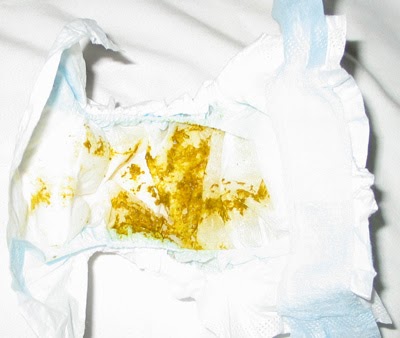
Milk is a dramatic manipulator of gut flora.  It is a baby’s first food and provides necessary nutrients, but of equal importance, it crafts a community of gut microorganisms that develop the gut and immune system of babies.  Breastfed babies receive protein, fat and sugar, but they also coat their tiny stomachs and even their respiratory system with maternal lymphocytes and bacteria.  The major carbohydrate in breast milk is lactose, but there are other prebiotic oligosaccharides (HMO, human milk oligosaccharides) and polysaccharides (GAGs, glycosaminoglycans) related to heparin and chondroitin, which carefully limit which bacteria can grow in babies.  There are firm reasons why exclusively breastfed babies have diapers that smell like yogurt and look like curds and whey.

Milk Shows an Exaggerated Interaction between Food and Flora
Evolutionary selection is extreme to favor women who can successfully birth large babies and nurture them for years on breast milk.  Fewer than 5% of women in a general population need medical intervention for gestation, labor, delivery and breastfeeding.  Essentially all women and babies are genetically predisposed to healthy childbirth and milk-based child development.  Clearly, milk is powerful and an examination of the composition of milk should yield information on the interaction between food and gut flora.

Milk is the Prebiotic for Dairy Probiotics
Traditional preservation of cow's milk produces fermented kefir, butter, yogurt, cheeses, etc.  These are all controlled fermentations that begin by converting lactose into lactic acid.  Michael Pollan devoted a major section of his book, Cooked, to the cultural ramification and biology of fermentation.  It seems magical that leaving milk to sour will reproducibly yield a common dairy beverage.  When I taught microbiology, I had students spike raw cow’s milk with E. coli and then measure the decreasing survival of these common gut bacteria that are actively excluded from dairy fermentation.  One of the lessons here is that milk stops the growth of adult gut bacteria and supports the growth of lactic acid bacteria found in baby diapers and used to make fermented dairy products.

Milk is Toxic to Most Microorganisms, until Digested
Enzymes in the stomach convert milk proteins into antimicrobial peptides.  Later in the small intestines, pancreatic proteases digest and inactivate the peptides until they are converted into amino acids and are absorbed by the intestinal microvilli.  Milk is a natural antibiotic and is used ritually for cleansing wounds and pruning hooks.  Ritual fire walking ends by walking through a pool of cow’s milk.  The spread of plant disease in orchards from tree to tree is minimized by dipping pruning tools in milk.  The proteins, fatty acids and carbohydrates in milk kill or inhibit the growth of viruses, bacteria and fungi.  Early studies of the bacteria in breastfed babies showed an exclusive group of lactic acid bacteria and an absence of adult gut bacteria.  Breast milk was shown to contain a “bifidus factor” that selected for baby gut flora and this special ingredient was later shown to consist of a complex mixture of short chains of sugars, human milk oligosaccharides.  Thus, human milk is good for babies, but bad for adult gut flora because most of the protein, fat and carbs are digested and no soluble fiber remains for colon gut flora. 

Formula Kills Baby Gut Flora
Formula made from cow's milk or soy is toxic to baby gut flora and even a single bottle of formula can permanently damage it.  The disastrous impact of formula on gut flora is readily observed in the change to smelly diapers.  Mothers trying to give the best start to their babies can tell when the night nurse got lazy and just fed her baby a bottle of formula!  Use of formula in hospitals instead of mothers nursing or using donor milk greatly increases contamination of babies with deadly strains of hospital bacteria, e.g. C. dificile, and causes necrotising enterocolitis.  The only reason that babies can survive formula and the growth of adult gut flora in the first weeks of life, is that the disrupted gut flora is highly inflammatory and the inflamed gut provides some protection from infection.  Babies are tough, but there is no reason for hospitals to continue to use formula when research clearly shows that it is a risk to the health of babies.  Health concerns are forcing hospitals to encourage exclusive breastfeeding, but more work needs to be done so that donor breast milk is the alternative.

Raw Avoids Risks of Pasteurization and Ultra Homogenization
Milk straight from the udder contains natural dairy probiotics that are fit for a calf.  Dairy probiotics are different from baby gut flora and calves are different from babies, so cow milk is not appropriate for babies.  Processing cow's milk by heat (pasteurization) or extreme mixing to make ultra small fat droplets (homogenization) changes the structure of milk to increase storage shelf life, but the restructuring also produces some health risks for gut and gut flora.  Since leaves are rich in short chain omega-3 fatty acids and seeds are rich in omega-6s, grass fed cows produce healthier (higher 3/6 ratio) milk that may not store as well.

Kefir is a Yeast and Bacteria Biofilm
Commercial dairy products are uniform, because they are made from milk using defined mixtures of pure cultures of bacteria and fungi.  These dairy probiotics can substitute but not replace gut flora, because they can't grow in a healthy gut.  Kefir is a little different, because the kefir grains are biofilms of yeast and bacteria held together by a polysaccharide called kefiran made by a bacterial enzyme that rearranges the glucose and galactose sugar residues of lactose.  The point here is that if you grow your own kefir, you may end up with many species of bacteria and some may be able to contribute to your gut flora.  Many supermarket "kefirs" are just a blend of common dairy probiotics and maybe some inulin, and have no benefits over commercial yogurt.


Dairy products are nutritious, but will not benefit the health of your gut flora (fermented vegetables are a better choice), because they lack soluble fiber and do not contain gut flora, but your gut flora may adapt to the inherently disruptive nature of raw milk.

Saturday, May 5, 2012

Dr. Oz, Pain, Hot/Cold Receptors

The production of endorphins in tissues in response to nerve stimulation relieves inflammation and pain. Dr. Oz and the medical community seem to forget that hot and cold receptors in the skin can be readily triggered by natural products in foods, to stimulate the release of endorphins and treat inflammation in nearby tissues.

Hot and Cold Don't Easily Penetrate the Skin
Athletic trainers commonly apply hot and cold packs to avoid swelling and inflammation from injuries, and they are always discussing the virtues of various hot/cold regimens. They ignore the extraordinary efficiency of the circulatory system in regulating tissue temperatures and avoiding temperature changes. They also ignore the fact that chemical "hot and cold" salves and ointments are effective without actually changing the temperature of the skin. The essential observation is that triggering hot and cold sensing nerves is more important than changing the temperature of the damaged tissues.

Common Food Molecules Activate Hot/Cold Nerve Receptors
Peppers are hot, because they contain capsaicin that binds to protein receptors on nerves in the skin, which results in the brain sensation of heat. Camphor and castor oil bind to the same receptors. Menthol binds to corresponding cold receptors. Vicks Vaporub has both menthol and camphor, and therefore stimulates both hot and cold sensors. Vicks is also an effective treatment for tissue inflammation.

Vicks and Castor Oil are Effective Treatments for Pain and Inflammation
A bee sting or a burn on a finger will produce reddening, swelling and pain, that can be quickly alleviated by applying Vicks to the wrist. The hot and cold sensors of the wrist would be stimulated and the returning nerve signals would be generally detected in the whole hand and produce endorphins that would calm the inflammation and sooth the injured finger. In a similar way, an inflamed joint can be treated by topical menthol and castor oil, and lower abdominal discomfort can be alleviated by castor oil applied to the belly.

Tendonitis can be Treated with Peppermint Soap
I have treated a persistent tendonitis in my shoulder by applying Dr. Bronner's Peppermint Soap liberally to my shoulder and waiting a few minutes before continuing my shower. This gentle, persistent treatment produced relief within a week. This was a cure for this persistent inflammation and pain. It also works on joints.

What Dr. Oz needs to communicate is that there are simple ways to stimulate hot/cold receptors that have nothing to do with changing the temperature of deeper tissues, but these treatments are very effective in stimulating general endorphin production that reduces troublesome inflammation and pain. As an addendum, vagal stimulation, i.e. through yoga postures such as shavasana or the Valsalva maneuver, can produce a reduction in general inflammation.

Tuesday, June 23, 2009

Diet, Nutrition and Health

These are my generalizations (some would say prejudices) from 40 years of experience in plant biochemistry and molecular biology:

Plant Secondary Compounds Are Defensive and Toxic

The development of plant secondary compounds (all of the compounds that are not part of metabolism or structures) is in response to pathogens, herbivores and pollinator/disseminator attractants -- development of these compounds has nothing to do with humans. Examples: Nicotine and caffeine are very toxic to herbivores and are present in plants for protection. Humans learn to play with toxic plant chemicals, just as they have learned to play with fire and explosives.

Plants Are Not There For Us

People have learned to exploit local plants for protection against local human pathogens, but there is no selective advantage to plants (except for domesticated plants) for useful plants to grow near humans. This logic would suggest that rats and mosquitoes, that flourish near human habitations, are there because of their human utility. Human live near places were useful plants grow.

Grains Are Unhealthy

One of the biggest problems with food processing is separating the inflammatory parts = starch and omega-6 oils, from the nutritive parts, the so-called anti-oxidants, vitamins, proteins, etc. Grains, even so-called whole grains, are simply too enriched for starch and inflammatory oils to be healthy. They are not safe to eat in large amounts. Leafy plant parts are healthy, but even those parts are not good in large amounts from a single plant species. Humans are browsers, because the plant secondary compounds are uniformly toxic, but can be tolerated better in a mixture of different toxicities.

Starch Is Inflammatory

Starchy foods should be treated like a fish. The starch should be pared away and discarded, like the fish gut and bones. (The guts and bones could actually be processed to make them nutritious. Not so with the starch. The starch should be fermented.) The potato skin should be eaten and the rest discarded, just as an aphid secretes as honey dew the extra sugar it sucks in from a plant leaf.

Cereals Are Inflammatory

Breakfast cereals are a dietary abomination. They contribute immensely to obesity, inflammation and chronic disease. Oatmeal for cardiovascular health is a total fraud. The fiber might be useful, but the high starch causes cardiovascular disease. Grains/cereal are the foundation of the chronic disease pyramid.

Fructose is Toxic

Fruit juices are another fraud. The juice (fructose) should be removed and discarded. The fructose is very unhealthy. Mice are given type II diabetes for research purposes by feeding them fructose (especially high fructose corn syrup.) Fructose is avoided in the beef industry, because it causes rapid cross-linking of collagen and leads to tough meat. The same thing happens in humans who eat fructose, it causes aging of the skin and other tissues. High fructose corn syrup is a commercial addiction -- it is hugely profitable as a sweetener -- and that is why it is still used, even though it is grossly unhealthy. It will eventually be removed from the market after the industry is protected from subsequent law suits. It is equivalent to the tobacco industry -- too lucrative to eliminate.

Phytic Acid

The active ingredient in fiber that provides its benefits is phytic acid, the same chemical that people are trying to eliminate. Phytic acid acts as a chelator. I don't think it is actually a problem. The problem comes from extracting cations from the phytic acid before it is eaten. Phytic acid should go in saturated, so that it doesn't contribute to deficiencies. The actual problem is that the diet is already low in minerals, because of eating processed foods that are mineral deficient.

Enzymatic Detoxification: P450, Glycosylation and Secretion

Humans are adapted to plant secondary metabolites by the abiltiy to enzymatically detoxify [using p450 and glycosylating (adding glucuronic acid)] and secrete the toxic compounds. These chemical modifications that occur in the intestines and liver are usually effect. They also work on drugs and that is how we eventually clear these compounds from our systems. Grapefruit and black pepper inactivate these enzymes and alter the way we metabolize plant toxins and drugs. The detox enzymes can also convert innocuous compounds into toxins and carcinogens. That conversion is the basis for using liver enzymes in the Ames Test for carcinogens. The activity of the enzymes is dependent on recent diet, so it would make sense to gradually change the amount and type of vegetables that are eaten in a meal to permit the detox system to adjust.

Glucose and Insulin Cause Fat Accumulation

Fat accumulation is dependent on dietary carbohydrates and insulin. Fat and serum lipids accumulates with a high carbohydrate diet and decrease on a low carbohydrate diet. This is more important than the number of calories consumed.

Inflammation Not Serum Lipids Cause CVD: Statin Are Unnecessary

Inflammation is the source of chronic degenerative diseases. Serum lipids are only secondary factors. Statins lower serum lipids, but do not impact cardiovascular health unless they also lower inflammation. Lowering inflammation lowers serum lipids and decreases cardiovascular disease. Statins appear to be a very expensive way of treating cardiovascular disease dependent on their side effect on inflammation. Modest dietary and lifestyle changes are much more effective, cheap and safe than statins.

Monday, April 27, 2009

Inflammatory Protection from Swine Flu

Inflammation causes allergies, autoimmune and degenerative diseases, and is the foundation for cancer, but it does provide protection against infection.

One of the reasons that older people are less prone to infectious diseases, is that their immune systems have already been exposed to earlier versions of pathogens. Another reason for the relative good health of the parents of baby boomers, is that chronic inflammation increases with age and protection against pathogens is the adaptive advantage of inflammation.

As of now, the new swine flu pre-epidemic is very scary in Mexico City, but doesn’t pack much of a punch north of the border. Maybe it is too early to be optimistic, but it is tantalizing to speculate that the diet-based chronic inflammation that stuffs the coffins in the US, may be good for something besides stuffing the coffers of agribusiness.

One of the symptoms of high chronic inflammation is many years without a day of sick leave. It is hard for a pathogen to get a foothold when the immune system is already provoked by inflammation. Even food and harmless pollen is attacked with vigor and lots of sneezing.

Swine flu is attacking the young and healthy in Mexico. King Corn has already wiped out those targets in the US. Obesity fed by starch, vegetable oils and corn-fed meat, produces chronic inflammation and a potential resistance to swine flu. The US diet provides the inflammatory benefits of old age for the young.

This explains why I live in Idaho. Here it is easy to maintain an island of health in a sea of inflammation. Few visitors with infectious diseases can travel from healthy countries fast enough to transmit the diseases before they show symptoms. Everyone else who reads my advice, lowers their inflammation and lives longer, healthier lives free of chronic diseases, had better start washing their hands and wearing face masks.