Anti-Inflammatory Diet

All health care starts with diet. My recommendations for a healthy diet are here:
Anti-Inflammatory Diet and Lifestyle.
There are over 190 articles on diet, inflammation and disease on this blog
(find topics using search [upper left] or index [lower right]), and
more articles by Prof. Ayers on Suite101 .

Sunday, February 2, 2014

Phytochemicals, Natural Antibiotics and Antioxidants

Plants are mean and sneaky.  They are natural organic chemists and make the nastiest toxins on earth.  Never trust a plant.  Eat them at your peril… or because they taste good.

Phytoalexins
Plants are Fast and Lethal
I was shocked when people started to laud the virtues of phytochemicals.  I thought that they must have alkaloid poisoning.  My PhD training involved separating and measuring the antifungal chemicals produced by soybean cotyledons exposed to the wall polysaccharides of a pathogenic fungus.  The plants would go crazy and produce a witch’s brew of toxins to provide protection from the fungus.  I eventually wrote a chapter on these toxic natural antibiotics, phytoalexins, for the Encyclopedia of Science and Engineering.  All plants produce these chemicals and as one might expect, seeds/nuts are provided with special protection to avoid being digested.

Lignin
Plants are Natural Chemical Killers
I developed a profound respect for the ability of plants to protect themselves.  Fungal spores germinate on the surface of leaves and their slender, threadlike hyphae attach and glue themselves to the waxy outer surface and then forcefully and enzymatically penetrate to the spongy cells below.  When the tip of the hypha touches the wall of the underlying cell, the plant nucleus lurches as its cytoskeleton reorients.  The surrounding plant cells respond in sympathy and all of these neighbors mobilize their biochemical processes to kill everything in their vicinity.  In a few hours, the plant chemicals kill the cells producing them along with the pathogen, and would continue to kill more and more of the leaf, but plant cell walls also contain enzymes that convert the phytoalexins to more wall material, lignin, and protect cells outside of the influence of the fungus.  As lignin in wood and plant litter is slowly degraded by microorganisms, it forms humus, the natural organic material in compost and soil, and also releases a potpourri of potent plant phenolics like BPA.  Compost is also a rich source of cell wall polysaccharides, a.k.a. soluble fiber, that feeds soil bacteria.

Phytochemicals are Natural Antibiotics
Most phytochemicals have evolved in plants as pathogen or herbivore defenses.  Since the nervous system is adapted to detect other organisms, it is not surprising that plants target the sensory system, brain and nerves of herbivores, and we detect the flavor and smell of plants/herbs/spices by their defensive molecules.  All of the flavor and taste components of herbs and spices are phytochemicals that kill bacteria, fungi and other pathogens.  Nicotine and caffeine are insecticides.  A detailed, worldwide study showed that spices are used in specific global areas, because of the local availability of the spices and their effectiveness against local food storage pathogens.  People develop a taste for the plant defensive chemicals that they must be exposed to for sustenance.  Cuisine represents a knife edge that separates attractive stimulation from death.  Natural or organic does not mean safe or healthy.  Plants are as dangerous to eat as pufferfish.

Phytoalexins are Useful, but Be Very Careful
Perfume Ingredients
If a grape notices a nearby fungal pathogen, it produces its phytoalexins, including resveritrol, which is a notable “antioxidant” that has been recognized as contributing to longevity.  People are encouraged to drink red wine for the health benefits of its phytoalexins.  Most of the pharmaceuticals derived from plants are phytoalexins in disguise.  Of course, the evolutionary origins of phytoalexins as natural broad spectrum antibiotics, makes it no surprise that phytoalexins are commonly toxic, carcinogenic and very dangerous to fetuses.  Morning sickness has been explained as nature’s way of telling a mother carrying a vulnerable fetus to not eat plants and potentially phytoalexins.  It is wise for women to avoid plants, perfumes and essential oils during their first trimester.  Essential oils are phytoalexin extracts from plants and many of these components are the essence of perfumes.  These same chemicals, e.g. limonene, serve dual purposes as fragrances and paint strippers, recreational drugs and insecticides.  We can smell these natural plant chemicals, because they are attacking our nervous system.  Multipurpose mixtures of essential oils, such as Vick’s Vaporub, contain menthol, camphor, eucalyptus oil and terpentine that kill bacteria and fungi (toe nail fungus) and also stimulate cold/hot sensing nerves in the skin, which triggers endorphin production and reduces underlying joint inflammation.

Fruits are Fake Seduction
Fructose is fruit sugar.  That is very appropriate.  Fructose derivatives are the most central intermediates of central metabolism, glycolysis; glucose is immediately converted to fructose after it enters a cell as the fundamental source of energy and carbon building blocks.  Fructose is not normally transported in plants or animals, because it is too chemically reactive and toxic.  It rapidly bonds and crosslinks proteins and is ten times worse than glucose in forming AGE (advanced glycation end products) such as hemoglobin A1C.  If you feed fructose to cattle, it makes their meat tough by cross linking protein fibers and it does the same thing to human skin.  Fructose in fruit is a fake, because it is cheap and sweet.  Animals eat fruit hoping to find starch, which is the only polysaccharide that animals can convert to glucose with their own (not bacterial gut flora) enzymes.  Starch quickly becomes sweet, because amylase in saliva digests the long chains of glucose molecules of starch into shorter dextrins that trigger sweet sensors in the tongue.  Fructose masquerades as starch by binding to sweet sensors a hundred times more strongly than dextrins.  The evolutionary advantage to using fructose to make plants sweet is that it takes much less energy and carbon, and it also poisons insects and microorganisms.  That is why honey is made of equal amounts of fructose and glucose, rather than sucrose, for example.  Fructose in high concentrations is toxic to microorganisms and honey can be used to dress wounds.  I can’t understand why fruits, especially juices, are recommended as part of a nutritional diet.  At best, fruit should be converted into juice.  The juice should be discarded and the pulp eaten as a source of soluble fiber, pectin, to feed gut flora. 

Phytochemicals Must be Detoxified to be Edible
Bacterial and fungal pathogens must avoid detection by plants to avoid death by phytoalexins.  Insects, similarly must avoid preformed phytochemicals that would kill or poison them with their first bite.  Pathogens and pests that are effective on one species of plant cannot eat others with different chemical defenses; plants and their pests/pathogens are mutually adapted.  Primates browse on new shoots of many different types of plants, to avoid building up lethal doses of particular phytochemicals.  The same is true of humans, who also have intestines and livers that chemically treat and neutralize plant toxins.  These same human defenses determine the rate at which other related chemicals, i.e. pharmaceuticals, most of which are derived from phytoalexins, are transformed and excreted.  Turmeric contains curcumin, which is the most potent inhibitor of inflammation yet identified.  Unfortunately, curcumin is “detoxified” in the intestine and large amounts must be eaten to suppress inflammation.  Fortunately, pepper contains another phytoalexin, piperine, which inhibits the detox system, so that most cuisines that use turmeric combine it with black pepper.

Trade Your Liver for Vegetables
The liver is the only organ that can be continually regenerated and that is because humans have evolved to eat plants, and phytoalexins take their toll on the liver.  As plants are digested and absorbed in the small intestines and transported to the liver, phytoalexins accompany the nutrients.  Most of the phytochemicals are chemically detoxified by liver enzymes, but the phytoalexins kill some liver cells with each meal and some of the phytoalexins circulate in the blood and reach other tissues.  The phytoalexins are evolutionarily adapted to bind to proteins to disrupt essential enzymes of microorganisms and herbivores, and like pharmaceuticals to which they are chemically and functionally related, they have numerous side effects.  The chemical reactivity is what is detected as the “antioxidant” property of phytoalexins.  Antioxidant is nutritionally meaningless and basically reflects the chemical toxicity of phytochemicals.  After all, you can’t easily sell chemicals that are inherently toxic.  Meat and humans are made of the same easily digestible stuff, i.e. protein, fat, plus indigestible polysaccharides in connective tissue, i.e. chondroitin sulfate and heparan sulfate.  Plants are essentially anti-human and are made of protein, vegetable oils (omega-6), digestible starch, undigestible cell wall polysaccharides, undigestible lignin and toxic phytoalexins.  Humans have adapted to eating plants with liver enzymes, liver regeneration, gut flora (to eat otherwise indigestible polysaccharides, soluble fiber to produce short chain fatty acids) and elaborate cultural habits.  We avoid most plants as too toxic and have domesticated some to produce reduced and tolerable levels of phytochemicals.  Of course this also means that the domesticated, defanged crop plants have a hard time defending themselves and we have to continually worry about blights and pestilences, and end up applying our own witch’s brew of fungicides, pesticides, and herbicides.

Polyphenols and Hormesis
I am going to add a few comments on the benefits of phytochemical "antioxidants", a.k.a. polyphenols, to clarify what I think is a misuse of the term "hormesis", which I thought meant the dilution of a toxin until it reached a magic lower concentration which was beneficial.  The trade offs of phytochemicals are nicely discussed by the Whole Health Source blogger, Dr. Stephan Guyenet.  I just don't think that the benefit of toxic chemicals stimulating the body's own antioxidant arsenal is an example of hormesis.  The point is that phytochemicals always act as toxins and stimulate toxin defenses.  Phytochemicals don't act as anti-oxidants in the body, even though they stimulate antioxidant defenses at all concentrations.  They provide a dubious benefit of unnecessarily heightening defenses with concomitant energy expenditure at low amounts and net damage at higher amounts.
Hakuna Matata and Sip the Tea
Tea Fanatic
I seem to have painted a compromising picture of plants as less than the perfect food.  They are tough and potentially toxic.  Plants clearly don’t like to be eaten and the best that can come of eaten plants is a full belly and a damaged liver.  But if you cook or ferment the plants first and bacteria start to digest and dull the chemical arsenal, plants can be safely and perhaps even enjoyably eaten.  We need not eat just safe meat.  We can also kick back and sip the tea.

Saturday, January 25, 2014

Milk, Kefir and Gut Flora


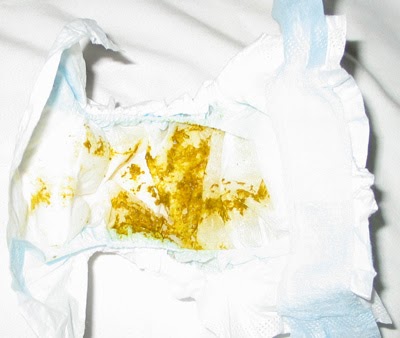
Milk is a dramatic manipulator of gut flora.  It is a baby’s first food and provides necessary nutrients, but of equal importance, it crafts a community of gut microorganisms that develop the gut and immune system of babies.  Breastfed babies receive protein, fat and sugar, but they also coat their tiny stomachs and even their respiratory system with maternal lymphocytes and bacteria.  The major carbohydrate in breast milk is lactose, but there are other prebiotic oligosaccharides (HMO, human milk oligosaccharides) and polysaccharides (GAGs, glycosaminoglycans) related to heparin and chondroitin, which carefully limit which bacteria can grow in babies.  There are firm reasons why exclusively breastfed babies have diapers that smell like yogurt and look like curds and whey.

Milk Shows an Exaggerated Interaction between Food and Flora
Evolutionary selection is extreme to favor women who can successfully birth large babies and nurture them for years on breast milk.  Fewer than 5% of women in a general population need medical intervention for gestation, labor, delivery and breastfeeding.  Essentially all women and babies are genetically predisposed to healthy childbirth and milk-based child development.  Clearly, milk is powerful and an examination of the composition of milk should yield information on the interaction between food and gut flora.

Milk is the Prebiotic for Dairy Probiotics
Traditional preservation of cow's milk produces fermented kefir, butter, yogurt, cheeses, etc.  These are all controlled fermentations that begin by converting lactose into lactic acid.  Michael Pollan devoted a major section of his book, Cooked, to the cultural ramification and biology of fermentation.  It seems magical that leaving milk to sour will reproducibly yield a common dairy beverage.  When I taught microbiology, I had students spike raw cow’s milk with E. coli and then measure the decreasing survival of these common gut bacteria that are actively excluded from dairy fermentation.  One of the lessons here is that milk stops the growth of adult gut bacteria and supports the growth of lactic acid bacteria found in baby diapers and used to make fermented dairy products.

Milk is Toxic to Most Microorganisms, until Digested
Enzymes in the stomach convert milk proteins into antimicrobial peptides.  Later in the small intestines, pancreatic proteases digest and inactivate the peptides until they are converted into amino acids and are absorbed by the intestinal microvilli.  Milk is a natural antibiotic and is used ritually for cleansing wounds and pruning hooks.  Ritual fire walking ends by walking through a pool of cow’s milk.  The spread of plant disease in orchards from tree to tree is minimized by dipping pruning tools in milk.  The proteins, fatty acids and carbohydrates in milk kill or inhibit the growth of viruses, bacteria and fungi.  Early studies of the bacteria in breastfed babies showed an exclusive group of lactic acid bacteria and an absence of adult gut bacteria.  Breast milk was shown to contain a “bifidus factor” that selected for baby gut flora and this special ingredient was later shown to consist of a complex mixture of short chains of sugars, human milk oligosaccharides.  Thus, human milk is good for babies, but bad for adult gut flora because most of the protein, fat and carbs are digested and no soluble fiber remains for colon gut flora. 

Formula Kills Baby Gut Flora
Formula made from cow's milk or soy is toxic to baby gut flora and even a single bottle of formula can permanently damage it.  The disastrous impact of formula on gut flora is readily observed in the change to smelly diapers.  Mothers trying to give the best start to their babies can tell when the night nurse got lazy and just fed her baby a bottle of formula!  Use of formula in hospitals instead of mothers nursing or using donor milk greatly increases contamination of babies with deadly strains of hospital bacteria, e.g. C. dificile, and causes necrotising enterocolitis.  The only reason that babies can survive formula and the growth of adult gut flora in the first weeks of life, is that the disrupted gut flora is highly inflammatory and the inflamed gut provides some protection from infection.  Babies are tough, but there is no reason for hospitals to continue to use formula when research clearly shows that it is a risk to the health of babies.  Health concerns are forcing hospitals to encourage exclusive breastfeeding, but more work needs to be done so that donor breast milk is the alternative.

Raw Avoids Risks of Pasteurization and Ultra Homogenization
Milk straight from the udder contains natural dairy probiotics that are fit for a calf.  Dairy probiotics are different from baby gut flora and calves are different from babies, so cow milk is not appropriate for babies.  Processing cow's milk by heat (pasteurization) or extreme mixing to make ultra small fat droplets (homogenization) changes the structure of milk to increase storage shelf life, but the restructuring also produces some health risks for gut and gut flora.  Since leaves are rich in short chain omega-3 fatty acids and seeds are rich in omega-6s, grass fed cows produce healthier (higher 3/6 ratio) milk that may not store as well.

Kefir is a Yeast and Bacteria Biofilm
Commercial dairy products are uniform, because they are made from milk using defined mixtures of pure cultures of bacteria and fungi.  These dairy probiotics can substitute but not replace gut flora, because they can't grow in a healthy gut.  Kefir is a little different, because the kefir grains are biofilms of yeast and bacteria held together by a polysaccharide called kefiran made by a bacterial enzyme that rearranges the glucose and galactose sugar residues of lactose.  The point here is that if you grow your own kefir, you may end up with many species of bacteria and some may be able to contribute to your gut flora.  Many supermarket "kefirs" are just a blend of common dairy probiotics and maybe some inulin, and have no benefits over commercial yogurt.


Dairy products are nutritious, but will not benefit the health of your gut flora (fermented vegetables are a better choice), because they lack soluble fiber and do not contain gut flora, but your gut flora may adapt to the inherently disruptive nature of raw milk.

Thursday, January 23, 2014

Gut Flora Risk and Repair

….All 190 posts here….
The two most important contributors to health are diet and gut flora.  All of the other contributors, such as exercise, genetics, environmental toxins, hygiene, etc. are of minor importance.  A healthy diet, such as The Anti-Inflammatory Diet that I recommend on this blog, is simple and relatively easy to follow after weaning from the Standard American Diet.  One version of the healthy diet is just eating meat, fish, eggs, dairy and plenty of vegetables, but avoiding vegetable oils and grains.  Most people will be healthy with that general diet, but if and only if, they also have a healthy gut flora that is adapted to the food they eat.

Most people make themselves sick by not matching their gut bacteria to what they eat, so let me repeat the main point of this article:

You will get sick if the bacteria in your colon can’t digest your food.
And sick means allergies, autoimmunity, cancer, etc.
Read and Heed or Dead

What Killed American Gut Flora?
There are hundreds of different species of bacteria growing on partially digested food (soluble fiber) in your colon.  Americans are sick, not because they are too poor to buy food, but because they have the worst, i.e. least diverse, gut flora in the world.

Do:  We pick up, recruit, eat new bacteria and repair our gut flora by:
  • touching surfaces, people, pets, etc. and putting our fingers near our mouths,
  • eating live fermented food, or semi-clean vegetables,
  • not cooking/killing/sanitizing all of the bacteria around us,
  • eating probiotics and transferring some of their genes to our gut flora.

Don’t:  We wipe out or reduce the diversity of our gut flora by:
  • using inappropriate hygiene that kills the bacteria we need for health,
  • taking antibiotics that kill gut flora and compromise our immune system,
  • trying to eat a wide variety of foods, which is counterproductive and only permits a few varieties of bacteria to survive.

Hygiene Kills Beneficial Bacteria
Nothing comes from nothing…  For bacteria to come out, bacteria must go in.  You have to eat bacteria to extrude them by the pound.  Each day a single bacterium growing and dividing in your gut once per hour will produce a million daughter bacteria (24 doublings, estimate that doubling two, ten times is about a thousand, and 1000X1000= million.)  So if you mixed a milligram (about the size of the period at the end of this sentence) of gut bacteria with ample food, you would have a kilogram (pounds) of bacteria by the end of the day.  Similarly, it takes about a day for a single bacterium applied to a petri dish of nutrient agar to produce a colony weighing about 10 milligrams.  The point here, is that a single bacterium that makes it through the acid bath of the stomach can be a major player in your colon in a couple of days.  This is a very good thing.  We want to kiss babies, because babies systematically vacuum up bacteria from the darkest  of corners and with shameless generosity present them in an irresistible pucker.  We need those bacteria, and so do the babies.  Hygiene, e.g. antibacterial hand soap, bleaching surfaces or closing toilet lids isolates people from potential sources of beneficial gut bacteria. 

Traditional Food is Fermented (with Live Bacteria)
Shockey
In most cultures, extra food is mixed with something like salt or spices to kill local problem microbes and then bacteria are permitted to grow.  The result is fermentation of the sugars available in the food with production of organic acids, e.g. vinegar, that stop the growth of other bacteria that might grow on protein and cause objectionable flavors.  Homemade fermented veggies contain a wide variety of happenstantial bacteria that can adapt to productive gut growth.

Cooking Kills
We cook to dissolve and soften foods.  Meat can be eaten whole and our stomach enzymes will easily digest the protein and fat to provide all of our nutritional needs.  The only plant material that can be digested by our enzymes is starch.  The rest of the plant requires cooking to make the protein available and the remaining carbohydrates, soluble fiber, require digestion by hundreds of different enzymes produced only by microorganisms.  Cooking will release soluble fiber to feed gut flora, but it also kills bacteria, so some raw foods must be eaten to make sure that the gut is always supplied with fresh bacterial recruits.  Cooked or pasteurized foods do not contain live bacteria and are not useful as sources to repair gut flora.

Probiotics are not Gut Flora
Commercial probiotics are made from bacteria used in dairy products (dairy probiotics) or bacteria used to make enzymes in other products, such as laundry detergents.  
These bacteria can be repackaged and sold as probiotics, because they have already been tested for toxicity.  These bacteria don’t normally grow in the gut and if you swallow them, they just pass through.  These “probiotics” can temporarily provide some of the functions of gut flora, because they are bacteria, but they don’t grow in the gut.

Gut Flora are Bacteria Created in the Gut
Gut bacteria produce chemical signals that coordinate the metabolism of food by hundreds of different species of bacteria.  We call these chemical signals vitamins, because humans extract the vitamins from the bacterial biofilms that always line the gut, so humans don’t need to produce their own vitamins.  Gut flora can produce all of the vitamins that we need, so it is not surprising that multivitamins do not provide any health benefit and concentrated vitamins my be harmful by disrupting normal metabolism of gut flora.  Biofilms also promote the exchange of genes between different species of bacteria, so the concept of species does not actually apply to gut flora, where new species are rapidly being created.  A common example of this process is the curing of lactose intolerance by simply eating small amounts of live yogurt for a couple of weeks.  The cure results from the transfer of a gene that produces an enzyme to digest lactose from the yogurt probiotic bacteria to the regular gut bacteria.  The new species, a natural GMO, continues to grow in the gut, digest lactose, and cure lactose intolerance.  The yogurt probiotics just get flushed away and that is why dairy probiotics must be eaten continuously to provide some of the benefits of healthy gut flora.

Antibiotics Kill Gut Flora, Compromise the Immune System and Cause Disease
Antibiotics are a huge benefit in curing and avoiding infectious disease.  Unfortunately, antibiotics can cause lasting damage by killing beneficial species of bacteria of the gut flora.  Loss of essential bacteria is commonly seen as food intolerances (true food allergies are rare) or constipation.  Since gut flora are needed for development of both the aggressive and suppressive parts of the immune system, which occurs in the lining of the gut, then antibiotics slowly lead to loss of function of the immune system that leads to autoimmunity or allergies.  Probiotics typically administered following antibiotic treatments do not repair the gut flora and leave the immune system damaged and prone to autoimmune diseases and allergies.

Variety in Foods Leads to Loss of Diversity in Gut Flora
It may be more entertaining to eat a new cuisine at each meal, but it confuses your gut flora.  Your gut is a river that endlessly moves food from mouth portal to pottie.  Bacteria divide and eddies cast some of the bacteria back to mix with food upstream before inevitably moving with the masses down and out.  Bacteria that don’t multiply as quickly as others eventually become extinct.  Bacteria that grow well on broccoli may wither with onions.  If you continue to eat some broccoli and some onions, then your gut flora will adapt, but if the type of polysaccharides, the soluble fiber, changes continuously, then you will end up with the stunted gut flora of Americans.  Diversity of gut flora is reduced by too much variety in food.

Matching Food to Gut Flora Takes Time
All of the gut problems that people complain about, gas, bloating, diarrhea, constipation, food intolerances/allergies (except gluten and a couple of others), etc. are due to a mismatch between food and the digestive enzymes of gut flora.  Modern food processing retains protein, fat and starch and removes the polysaccharides/soluble fiber that reaches the colon, feeds gut bacteria and produces short chain fatty acids (acetic acid, butyric acid, propionic acid) that feed the colon and reduce inflammation.  It takes time for gut bacteria to adapt to new soluble fiber in new foods by recruiting or creating new bacteria, and this is only possible, if inappropriate hygiene is avoided or if homemade fermented foods are eaten.

Friday, January 17, 2014

Dr. Oz Diet and Gut Flora Myths


I just watched a Dr. Oz program on health myths, including corrections, such as recognition of the high fructose content of agave syrup (especially bad for diabetics.)  So I thought I would go ahead and correct some of the perspectives on his show that I don't think are supported by biomedical research.

The Big Truth about Diet and Gut Flora
Health results primarily from a matched Diet AND Gut Flora, with minor contributions by exercise, personal genetics, environmental toxins, etc.  You can eat the extremes of just meat or only vegetables or any mixture and be healthy, as long as your gut flora is made up of about two hundred different species of bacteria that can fully digest the soluble fiber in your diet.  Health requires a gut flora adapted to your diet.  Those bacteria, the gut flora, produce all of your needed vitamins, eliminate constipation, block inflammation and control the development of your immune system, which takes place in the lining of your intestines in response to gut bacteria.

Assorted Health Truths
Truth:  Saturated fats are healthy, but polyunsaturated omega-6 vegetable oils are inflammatory.  Oz can't bring himself to read the literature and acknowledge the heart benefits of saturated fats and meat.

Truth:  Soluble fiber, e.g. pectin in fruit or inulin in leeks or chondroitin in meat, is healthy food for gut flora, but insoluble fiber, such as in whole grains is a scam and just sucks out micronutrients.  Oz could really help the public by explaining that the hundreds of different polysaccharides produced by plants, i.e. soluble fiber, are digested by hundreds of different enzymes in gut flora.  Gut flora digest soluble fiber into sugars that are converted into short chain fatty acids that feed intestinal cells.

Truth:  GMOs have been studied intensively, are relatively boring and healthy, but organically grown veggies have not been shown to provide any additional health benefits over conventional.  Oz adheres to a very political line and attacks GMOs without any reasoned arguments and touts organic veggies without reference to supporting research.

Truth:  Grass grown beef has healthier fats with more omega-3 oils, but omega-3 plant oils, such as ALA in flax, provide only minor benefits and can't substitute for the long chain DHA and EPA in fish/algae oil.  Oz keeps pushing flax seed even though the benefits are minimal and the problems of high insoluble fiber have not been tested.

Truth:  Constipation is a sign of unhealthy gut flora and can lead to autoimmune disease, allergy or food intolerance, but laxatives such as magnesium only fix the symptoms and not the missing essential gut bacteria.  Oz is really confused about constipation and focuses on dehydration rather than the bacterial content of stools.

Truth:  Antibiotics may be essential for surgery or life threatening bacterial diseases, but antibiotic-damaged gut flora must be repaired (not just probiotics) or the immune system will be compromised.  Antibiotics are major contributors to autoimmune disease and I don't think that Oz realizes the damage that he starts or continues by not repairing gut flora after he repairs hearts.

Truth:  Dairy probiotics, e.g. Lactobacillus or Acidophilus, can provide a quick fix for some functions of gut flora, but these limited probiotic bacteria do not survive in the gut and do not substitute for normal gut bacteria.  I think that Oz still sends his patients home with yogurt after heavy antibiotic treatment and leaves his patients with damaged gut flora and long term disease risk.

Truth:  An Anti-Inflammatory Diet can reduce sources of inflammation that is the foundation for cancer, autoimmunity, allergy and most diseases, but adding new bacteria (not dairy probiotics) through social contacts and live fermented foods is essential for a healthy gut and immune system.

Truth:  All needed vitamins are supplied by healthy gut flora (as biofilm chemical signals) and healthy people do not benefit from multivitamin supplements, but people with damaged gut flora, e.g. because of antibiotic use or autoimmune disease, may require specific vitamins.

Truth:  Antioxidants are just plant defense chemicals, i.e. plant antibiotics, that are unimportant in general health, but they may alter gut flora in unpredictable ways.  Oz likes all antioxidants, but can't explain why these generally toxic chemicals are not used by plants as antioxidants.

Truth:  All of the vitamin D that we need is supplied by minimal skin exposure to sunlight, but most Americans are vitamin D deficient, because chronic inflammation blocks solar production of vitamin D in the skin.  Oz doesn't seem to understand the role of inflammation in vitamin D deficiency.

Truth:  We don't need Grains and other sources of starch, but grains also typically cause health problems, e.g. sensitivity, intolerance or celiac, for most people and can cause inflammation of the gut and disruption of the gut flora that can lead to autoimmune diseases.  Most thyroid disease and back problems are autoimmune diseases that start with celiac.  Oz still promotes whole grains even though added bran lowers nutritional quality and many people are healthier without grains.  He also seems to ignore the relationship between grain, antibiotics and autoimmune disease.

Truth:  Breakfast is not a necessary meal and there are health benefits to lengthening the time between the last and first meal of the day, but if breakfast is eaten, it should be low in sugar and starch, i.e. avoid cereal, since cereal causes a severe spike in insulin when eaten after a fast.  Breakfast makes you hungry, because even protein in the morning will raise insulin and cause an eventual abrupt drop in blood sugar that is experienced as hunger.  Why does Oz believe in breakfast?

Truth:  Food intolerances and allergies (rare) are due to missing species of gut bacteria, but these eating problems cannot be fixed by diet alone, since new bacteria (other than dairy probiotics) must be eaten.  Dairy probiotics are only useful to cure lactose intolerance.

Truth:  Hygiene should be minimal, because most people repair damaged gut flora due to antibiotics, for example, by intimate contact with friends and pets.  Antimicrobial soaps and sterile home surfaces prevent gut flora repair, because the vast majority of bacteria killed by hygiene are beneficial.  Appropriate hygiene is a real problem for Oz and he is obsessed with closing toilet covers.

Truth:  Cardiovascular disease starts with inflammation and is aggravated by fat deposits, but statins and lowered serum cholesterol only reduce heart attack risk, because statins have a weak side effect of lowering inflammation.  Diet changes and repair of gut flora, e.g. my Anti-Inflammatory Diet, fish oil supplements and wild fermented foods, are much more effective at reducing inflammation and curing cardiovascular disease without the severe risks of statins.  Oz is slowly becoming skeptical of statins, but still hasn't read the research literature critically.

Truth:  Poor health and most diseases have only minor genetic risk factors, but diet and gut flora are "inherited" directly and shared by the whole family.  When your doctor asks what diseases run in your family, she is asking about your shared gut flora.  Oz still gives the impression that genes are significant in disease and for example asks audience members if relatives have had heart disease.  He should tell them to repair their gut flora!

Summary Diet Truths

Truth:  There is nothing magic about healthy foods.  All that is needed are protein (meat, fish, eggs, dairy, beans, etc.; plant and animal proteins are equivalent), fats (from leaf and meat, not omega-6-rich seeds) and soluble fiber (to feed gut flora) from their original sources to retain naturally abundant micronutrients (vitamins, except C, are usually unimportant.)  That is my Anti-Inflammatory Diet and supplements should not be needed.  Natural, local foods are healthy, but there are no super foods and exotic does not mean better.  Variety does not compensate for low quality.  Your gut flora needs time to adjust, especially to new soluble fiber, so just change foods with the seasons, not daily, and make sure that you are sampling new bacteria in live fermented foods to make your gut community adaptable.

Thursday, January 9, 2014

Transglutaminase, Gluten, Celiac, Inflammation, Autoimmunity


The point of this post is that the intestines produce an enzyme, transglutaminase (TG) that normally protects the gut from toxic plant proteins, such as grain gluten, but modern food processing and antibiotics corrupt digestion of gluten to produce intestinal inflammation and a series of related autoimmune diseases including celiac, thyroiditis, diabetes, baldness and atherosclerosis. 

Transglutaminase Links Proteins Enzymatically
Transglutaminase is a ubiquitous enzyme produced in the intestines, thyroid, heart, skin, hair follicles, etc.  This enzyme attaches to a protein (TG + ProA ~~> TG-ProA) via amino groups extending from some of the protein's amino acids, e.g. lysine or glutamine, and then the enzyme replaces itself by another protein leaving the two proteins crosslinked (TG-ProA + ProB ~~> TG + ProA-ProB).  Another alternative reaction is to leave the original glutamine without its amino group to yield glutamic acid residues.

Linking Proteins Makes Connective Tissue Tough
Transglutaminase is useful to crosslink the proteins in connective tissue.  Proteins in basement membranes form a matrix by binding to the heparan sulfate sidechains of another basement protein, perlecan.  The heparin-binding domains consist of basic amino acids that TG can react with to crosslink the proteins.

Linking Pathogen Proteins
Transglutaminase is also produced to crosslink the DNA/heparin/matrix polysaccharide-binding domains of pathogenic bacteria leading to aggregation, localization and death of the bacteria.  Inflammation resulting from activation of the inflammatory transcription factor, NFkB, stimulates production of TG.

Gluten is a Plant's Way of Saying "Don't Eat Me!"
Gliadin is a protein component of gluten that contains long stretches of glutamine residues, i.e. it is a polyglutamine protein similar to the protein that causes Huntington's disease.  Gliadin is an advantage as a storage protein for grain, because it is aggregated by the TG that protects the lining of the intestines of herbivores, such as humans, makes the animal sick and thereby discourages eating the grain.  Aggregation of gliadin/gluten inhibits digestion of the grain protein and can leave TG bound to gliadin.  Conversion of the polyglutamine stretches to polyglutamic acid stretches that are negatively charged, produces proteins that will bind to the positively charged heparan sulfates that circulate along the surface of intestinal cells leading to damage and inflammation.

Basic Triplet Leads to Antibody Production
Transglutaminase is also transported into cells, because it contains a region with a triplet of basic amino acids (...EPKQKRKLVA...).  This internalization probably contributes to enhanced presentation of TG to the immune system for subsequent antibody production.

Transglutaminase is Inflammatory
Transglutaminase interaction on the surface of cells also activates, NFkB, the transcription factor responsible for inflammation. Thus, TG turns on inflammation and part of inflammation is the activation of the innate immune system that includes production of TG.  This circular activation may produce autoinflammation that is associated with various forms of inflammatory bowel diseases.

Gluten Sensitivity is Normally Controlled By Gut Flora
Gluten sensitivity expressed by most people, is the intestinal response to the toxicity of gluten as it interacts with TG and causes inflammation.  This inflammation will also result in immune presentation of both gliadin and TG, and production of antibodies to both. Antibody production will normally be controlled by regulatory T cells of the immune system, unless spreading inflammation in the gut and/or antibiotics destabilizes the gut flora and compromises regulatory T cell development in the intestines.  

Anti-Glutaminase Antibodies Attack the Gut
Celiac results from uncontrolled production of antibodies to gliadin and TG with attack by the immune system on the aggregated gliadin/TG on the surface of the intestinal epithelium.  Celiac flare ups in response to eating even small quantities of gluten lead to further inflammation of the gut and further disruption and simplification of gut flora.

Celiac Leads to Thyroiditis and Much More
Transglutaminase is also produced by the thyroid and celiac will develop into a more generalized autoimmune disease that results in Hashimoto's thyroiditis.   TG production in the skin can result in skin rashes and may contribute to rosacea.  The base of hair follicles contains TG involved in hair production, and may contribute to some forms of hair loss.  Another substantial worry about the sequelae of celiac and gluten intolerance is the presence of TG in coronary arteries.

Antibiotics are Part of the Gluten Problem
Celiac and gluten sensitivity seem to be increasing with modern processing of grains and increased use of antibiotics.  Wheat has been gradually changed by traditional breeding, but genetic engineering has not yet been developed for wheat.  So, at least in this case, GM wheat cannot be part of the problem.  Many recent studies show that antibiotics profoundly and permanently alter gut flora.  As a result, the immune system, which is dependent on gut flora diversity is compromised, and various forms of autoimmunity and allergies develop.

Super Fine Flour Damages Gut Flora
Germ and bran are removed from all wheat before it is ground.  This is true even for whole grain flours, which have some of the germ and bran added back after milling.  Modern milling may be part of the gluten problem, because the flour is ground so fine that the grains of starch are broken.  Broken starch grains are digested by pancreatic amylases in the upper intestines, whereas some of the starch from intact grains is digested by gut flora in the colon.  Thus, modern wheat flour fails to feed gut flora like soluble fiber to produce short chain fatty acids, e.g. proprionic acid that supports Treg development; modern superfine flour supports autoimmune diseases and allergies.

Cultural Practices Make Gluten Safe
Wheat has been bred to produce bread as fast as possible from superfine flour.  This rapid bread production eliminates the exposure of gluten to enzymes from both germinating wheat seed and fermenting bacteria, which are part of traditional bread making.  Coarsely milled, traditional flour responds to soaking in water by activating enzymes that partially digest gluten, since gluten is a storage form of amino acids destined for the seedling.  Sour dough starter, a mixture of bacteria that can ferment the starch and gluten into short chain fatty acids and bubbles of carbon dioxide, has been used traditionally to provide leavening and flavor to bread.  Both flour and bacterial enzymes modify the structure of gluten to render it less toxic to the intestines.  Cultural traditions insured that gluten would be systematically detoxified by enzymes during hydration and fermentation of dough prior to baking.  Modern processing leaves wheat gluten in bread unmodified and toxic.

Prevention and Cure:  Eliminate or Detoxify Wheat and Add Bacteria
Preventing and curing diseases associated with gluten and transglutaminase is simple.  Eliminating wheat would do the trick.  Unfortunately, wheat is the mainstay in many parts of the world.  Fortunately, gluten intolerance is not uniformly observed where wheat is eaten.  This indicates that there are potentially safe ways to eat wheat and bread.  I gained insight into how to eat wheat safely from two books that were recently published:  Cooked by Michael Pollan and Artisan Bread in Five Minutes a Day by Jeff Hertzberg, MD and Zoë François.

Michael Pollan has recently become interested in gut flora and his book revealed how he built up a healthy gut flora eating homemade fermented food and compromised his work with antibiotics.  The major breakthrough that I made by reading Cooked was based on his experiments in baking whole wheat bread.  He hydrated the flour first and then used sour dough starter for lengthy fermentation.  This was the same process that I had used to make great loaves of bread (photo above) using Jeff Hertzberg’s directions in Artizan Bread in Five Minutes a Day.

The answer to gluten intolerance and most autoimmune diseases amounts to eliminating wheat or treating wheat in a safe, traditional process that inactivates the toxic properties of gluten; and maintaining a healthy gut flora (probiotics are not enough) with hundreds of different species of bacteria that promote the development of the suppressive immune system mediated by regulatory T cells:

Safe Traditional Bread 

  • Remove bran and discard as toxic insoluble fiber.
  • Grind wheat to retain starch grain structure.
  • Soak flour to hydrate and activate wheat enzymes to start digestion/detox of gluten.
  • Ferment dough with bacteria (sour dough starter) to continue digestion/detox of gluten.
  • Bake.

Develop Healthy Gut Flora and Suppressive Immune System

  • Avoid antibiotics that kill bacteria.
  • Avoid hygiene practices, e.g. antibacterial soaps, bleaching surfaces, closing toilet covers, etc. that eliminate sources of healthy bacteria.
  • Kiss your loved ones and pets, and encourage everyone to garden/play in the soil (an excellent source of thousands of different species of bacteria.)
  • Recruit healthy gut bacteria by eating a variety of homemade fermented vegetables. My most highly recommended source is my friends at: http://www.fermentista.us
  • Remember that cooked or pasteurized foods do not contain useful bacteria.
  • Remember that dairy probiotic bacteria cannot live in the human gut and can only provide a temporary help to the immune system.
  • Limit the variety of foods that are consumed and gradually change with the seasons to avoid rapid changes in nutrients to which gut flora cannot adapt.  Food intolerances indicate maladapted gut flora.
  • Constipation indicates dysfunctional gut flora and a compromised immune system.

Monday, December 23, 2013

Dr. Oz’s Pain: Constipation and Bursitis


Dr. Oz has complained several times about his constipation and the pain he feels in his shoulders during surgery.  He has recommended numerous treatments.  Since I feel a friendly affection toward Mehmet after talking/shouting at his image on the screen for hours, I think that I should give him some advice to relieve his pain.

Hot, Cold, Topical Treatments Are Effective, but Don’t Penetrate Themselves
Dr. Oz keeps talking about how various topical applications penetrate the skin.  He has even recommended the use of an electrical system to carry pain relieving steroids into his tissue by what looks to be electrophoresis.  This is dubious.  I would recommend that he stick to the topical chemicals, e.g. capsaicin, menthol, that target the hot and cold sensors of the superficial layers of the skin and result in deep penetrating nerve signals that trigger anti-inflammatory responses in the underlying bursa.

Constipation Is Caused by Damaged Gut Flora or Dysbiosis
Dr. Oz, like most physicians, does not usually explain the causes of diseases, such as bursitis.  Unfortunately, when he tries to explain problems, such as constipation, he overlooks important aspects of the problem for a facile physical model.  In the case of bursitis, it is important to realize that the patient, Dr. Oz, is also constipated.  Constipation can be aggravated by dehydration or “holding it”, but in Dr. Oz’s case, the combination of bursitis, an autoimmune disease, with constipation (and gas) suggests the more complete explanation of dysbiosis or damaged gut flora.  Dysbiosis is what causes constipation, because bowel stools, poop, is mostly packed, hydrated bacteria that grow in the colon by digesting soluble fiber.  If you eat an apple a day, there is enough pectin and other plant polysaccharides, i.e. soluble fiber, to increase the volume of the stools to make one regular.  [Don’t be confused by the misconception promoted by Dr. Oz that the volume of stools results from insoluble fiber, such as in whole grains.  The husk part of whole grains is useless or unhealthy and grains in general are not needed for a healthy diet.]  

Flush Toilet Hero
Dr. Oz’s constipation suggests a damaged gut flora.  Since he is a physician, one would suspect that he has used antibiotics in the past few years and wiped out essential types of gut bacteria.  Dr. Oz probably followed his own advice and attempted to patch up his damaged gut flora with probiotics.  Unfortunately, as I have repeatedly explained, dairy probiotics don’t survive in the gut and cannot repair damaged gut flora.  But Dr. Oz is even harder on his gut flora.  He has recommended the use of colloidal silver throat spray when he has been exposed contagious germs.  Silver, although ineffective for its intended use, is very toxic to gut flora after it is swallowed.  Dr. Oz also subscribes to numerous approaches to house and body hygiene, which are probably occupational hazards for surgeons.  Hygiene is the enemy when it comes to ingesting bacteria lost to antibiotics.  The atomizing flush toilet is my gut flora hero for spreading contagious health.

Damaged Gut Flora = Damaged Immune System
Constipation is bad enough, but damaged gut flora can mean that some of the bacteria needed for the gut-based development of cells regulatory T-cells (Tregs) that keep the immune system under control, are missing.  Constipation can lead to deficient Tregs and that means a major predisposition to autoimmune disease and allergies.  [Fecal transplants cure autoimmune diseases and allergies.]  Antibiotics, silver, hygiene excesses and constipation suggest to me that Dr. Oz has been cruising toward some rude immunological sequelae.

Autoimmunity Results From Antibiotics, Dysbiosis and Compromised Tregs
Autoimmune diseases result when a trifecta of inflammation, compromised Tregs and appropriate antigens occurs.  Normally physical damage, such as abusive shoulder exercise, results in inflammation as the first step in healing.  The inflammation can rev up the immune cells in the local area of tissue damage and some of the proteins, such as lubricin, which lubricates the bursa, may have basic triplet amino acid sequences that lead to presentation to immune system cells.  But no antibodies against self tissues are produced, because the Tregs stop the process.  Healthy gut flora produce healthy Tregs and block autoimmunity.

Dr. Oz abuses his shoulder bursa during surgery, but it can’t heal properly, because he has damaged his gut flora and compromised his Tregs.  The result is the autoimmune bursitis from which he now suffers.  He can reduce the symptoms and inflammation with topical anti-inflammatory natural chemicals, but he needs to repair his gut flora to repair his Tregs and reduce autoimmunity.  In the mean time, he is contaminating his local environment, family and friends with his unhealthy bacteria.  I wonder if Dr. Oz’s friend, Dr. Mike Roizen also suffers from autoimmune diseases?

Prescription to Repair Gut FloraAnti-Inflammatory Diet, Soluble Fiber, Fermented Vegetables, Less Hygiene

KEEP YOUR TOOTH BRUSH NEAR THE OPEN TOILET 

Thursday, December 19, 2013

Antibiotics, Gluten, Hashimoto's Thyroiditis and Baldness

My impression is that Hashimoto's is caused by a combination of an initial immune attack on the thyroid and incompetent regulatory T cells.  In most cases the immune attack on the thyroid is a secondary consequence of celiac/gluten intolerance, in which anti-transglutaminase antibodies attack transglutaminase bound to gluten in the intestines.  Transglutaminase  is an enzyme that is also produced by the thyroid (and hair follicles) and attack by celiac antibodies can enhance or inhibit thyroid hormone production (or baldness.)  Both Hashimoto's and celiac do not occur if the suppressive part of the immune system, i.e. regulatory T cells, is functioning.  

Antibiotics Compromise the Immune System
The major point here is that antibiotics disrupt normal bacterial biofilms that line the intestines and these healthy gut bacteria are required for development of regulatory T cells.  Compromise of Tregs leads to autoimmune diseases, e.g. celiac, Hashimoto’s and baldness, and also allergies.

Antigens/Allergens Have Basic Amino Acid Triplets
The antigens targeted in autoimmune diseases, e.g. tTG, anti-nuclear, TPO, and allergies form an obvious pattern.  All of these antigens and allergens have simple amino acid sequences (rare patches of three basic/positively charged amino acids) that enhance their presentation to the immune system to produce antibodies.  Nuclear proteins, for example, are frequent autoantigens and most of these proteins interact with nucleic acids (negatively charged) and have predictable patches of positively charged amino acids (arginine and lysine).  Other common autoantigens have basic amino acid (arg/lys) patches, because they interact with phospholipids (also negatively charged.)  Proteins with basic patches, e.g. HIV-TAT or heparanase, are also readily transported into cells and nuclei.  Peptides with these sequences are produced by action of stomach enzymes on proteins, e.g. milk lactoferrin, and are antimicrobial.

Allergies / Autoimmune Diseases Are a Predictable Consequence of Antibiotics
Doctors treat with antibiotics, but they fail to repair damage that they cause to gut flora.  The gut flora of most patients treated with antibiotics, especially those who are most fastidiously hygienic, never fully recover.  Constipation is a common symptom of severe dysbiosis and related immunoincompetence.  Probiotics are gut flora bandaids and do not survive as components of gut flora.

Gut bacteria are also needed for development of the aggressive part of the immune system.  Thus, autoimmune diseases can be treated with even more intense use of antibiotics, that will eliminate the rest of the immune system.  Since all vitamins are produced by gut flora as quorum sensing signals, antibiotics can also produce the exotic symptoms of vitamin deficiencies.

Antibiotics are essential to many therapeutic approaches, e.g. surgical procedures or therapy for chronic Lyme disease, but they must be used responsibly and treated patients must be subsequently tested to ensure a repaired gut flora and a functional immune system have been reestablished after antibiotics.  Long term antibiotic use needs special attention, e.g. deliberate Repair of Gut Flora or a fecal transplant.


Thus, I think that it is most likely that ever increasing antibiotic exposure and processed foods, coupled with obsessive hygiene have led to crippled gut flora (as observed in the simplified gut microbiomes of Americans), a net decline in suppressive Tregs and the observed increase of autoimmunity and allergies.  The competence of the immune system may be a major determinant in the course of infection with a pathogen that can produce chronic infections.

Wednesday, July 31, 2013

Vitamin C, Guinea Pigs, Limeys and Gut Worms

Scurvy and the Need for Vitamin C
Old timey sailors got the symptoms of scurvy, defective collagen and connective tissue, presumably because they stopped eating leafy greens that contained the needed vitamin C, aka ascorbic acid.  Primates/humans and guinea pigs are among the few animals that lack the ability to make their own ascorbic acid and therefore must eat a diet with a minimum amount of the vitamin to avoid a deficiency disease.  This is the conventional wisdom partially based on observation and experiment, but also founded on conjecture.

Parasitic Gut Worms Were the Natural Source of Vitamin C
I don't believe that vitamins are essential ingredients of a healthy diet, but rather I contend that all of the necessary nutritional chemicals are produced by the microorganisms of the gut.  I have previously discussed the gut flora (bacteria and fungi) as the source of most vitamins.  I wish to expand vitamin production to include gut fauna (animals).  I think that it is likely that intestinal worms are the historically natural source of human vitamin C.

Gut Bacteria Control the Development of the Immune System
The human gut actively communicates with the biofilms of bacteria and fungi that form a lining for the healthy gut.  The aggressive cells of the immune system that attack invading pathogens, develop in response to chemical signals from filamentous gut bacteria, and the suppressive cells of the other half of the immune system, which prevents attack on innocuous food antigens (to avoid allergies) or the human body itself (autoimmunity), develop in response to Clostridium ssp.  Thus, the immune system can be highly compromised, if the gut flora bacteria are damaged, e.g. by antibiotics.

Vitamins are Signaling Chemicals of Gut Biofilms
The communities of bacteria in gut biofilms are self-regulating by exchanging chemicals called quorum sensing signaling molecules.  Different species of bacteria and fungi in the biofilms produce and detect different chemical signals.  Since the biofilms are in intimate contact with the cells that line the gut and absorb dietary nutrients, it is not surprising that the biofilm signaling molecules are also absorbed by intestine cells.  Many of these biofilm signal molecules are vitamins, e.g. the B vitamins.  Gut bacteria are the natural source of most vitamins and healthy gut flora eliminates the need for eating vitamins in food or supplements.  Vitamin deficiencies are a symptom of a damaged gut flora.  Antibiotics and vitamin supplements can damage healthy gut biofilms.

Dietary Soluble Fiber Feeds Gut Flora
The human gut flora consists of a couple of hundred different species of bacteria in each person.  Those bacteria in aggregate can produce about a hundred thousand different proteins that focus on the digestion of food molecules that the upper gut cannot digest and absorb.  Since the upper gut can only digest proteins, fats and starch/sugars, that means that the gut flora eat the rest, undigested plant/animal polysaccharides.  Soluble fiber is the plant polysaccharides, e.g. inulin and pectin, that are digested and feed the gut flora.  The undigested polysaccharides include cellulose.  Lignin and some other plant polymers also pass through the gut and are eliminated.  The undigested stuff is called insoluble fiber and it also has bound phytate, which drags some metals such as zinc out with it.  That is why insoluble fiber, such as wheat bran, is not nutritious or healthy.  Insoluble fiber is also a minor contributor to the bulk of stools, which are made up predominately of the gut bacteria that have grown on soluble fiber.

Sea Voyages Damage Gut Organisms
The hundred of different species of bacteria in the gut change in proportions to adapt to different foods in each meal.  If the diet is fairly constant, then the diversity of the population gradually increases, just as the diversity of species in a tropical rain forest is greater than in a temperate forest.  This also explains why gut flora diversity is far less in the USA than in other parts of the world.  Americans are encouraged to eat diverse diets in the search for vitamins and superfoods.  Each dramatic change in diet makes it hard for the gut flora to adapt and the remaining bacteria are those that are generalists.  It might also be expected that early sailors who changed their diets dramatically when they went to sea, ended up with a highly compromised ship-board gut flora (and fauna.)

The Perils of Hygiene
I have a fascination for stories involving the potential of rampaging tigers.  Images of a tiger attempting to drag a hunter from his seat on an elephant or the need of a colleague to employ an armed bodyguard when capturing crabs from Malaysian Mangrove roots at night, linger in my imagination.  I still think about the report of Wallace guarding his derrière while collecting beetles in Bukit Timah, Singapore, in “The Malay Archipelago.”  Humans tend to be incompatible with lions and tigers and bears, and we wipe them out.  We do the same with bacteria, fungi and worms.  We wash our hands, flush the toilet, use hand sanitizers, kill weeds, spray pesticides, grow meticulous lawns/crops, dose ourselves with antibiotics and cleanse.  We are free of the threat of tigers, but we failed to see what else was lost during their extermination.

Probiotics Don’t Fix the Damage of Antibiotics
Antibiotics ravage gut flora.  It is no surprise that a course of antibiotics frequently leads to diarrhea or constipation, since normal stools require normal gut flora.  What is surprising is that physicians, e.g. Dr. Oz, seem to think that antibiotic decimated gut flora can be fixed with probiotics.  Sure, probiotics can provide a temporary bandaid, since Lactobacilli that would normally live on milk in the gut of newborns, are able to provide most of the functions of an adult gut flora.  But probiotics don’t survive in the adult gut and probiotics to not repair damaged gut flora.

Changes to Gut Flora are Permanent, Unless....
Gut bacteria are like wolves in Idaho.  If you don’t bring in new wolves and stop hunting them, you never again have wolves in the wilderness.  If you don’t bring in new bacteria and feed them, damaged gut flora does not repair.  Antibiotic treatment that wipes out the bacteria needed for development of the suppressive immune system will lead to autoimmune disease.  However, repairing the gut flora by flushing in new bacteria (fecal transplant) or gradually reintroducing new diverse bacteria with fermented foods, can also reverse autoimmune diseases as the immune system is repaired.

Parasitic Worms Were Lost at Sea
We think that vitamin C is only provided by plants that we eat, because we didn’t notice what was lost when we cleaned out the worms that typically inhabit the human gut.  Who would have thought that those inconvenient creatures were there for our own good?  We unknowingly compensated for the lost vitamin C production of the worms by incorporating foods rich in vitamin C in our diets.  Shipboard diets that eliminated bowel worms were augmented with limes rich in ascorbic acid.

Guinea Pigs Also Need Worms
It is interesting to note that the experimental animal used to replicate human nutritional requirements for vitamin C is the guinea pig, which is one of the few animals (in addition to bats and primates) that doesn’t make its own.  It is also interesting that guinea pigs (and bats?) commonly have intestinal worms that have to be purged from their bowels before they are used in the lab. 

Gut Flora and Fauna Provide Vitamins
My bottom line is that a normal, healthy gut contains all of the bacteria, fungi and worms to supply all of the needed vitamins.  I do, however, think that dietary vitamin C is a good replacement for one function of intestinal worms, even though I will be watching for other benefits ( Helminth therapy?) that were lost with the removal of these parasites.

Some points:
  •   Many vitamins are signal molecules for gut biofilm quorum sensing.
  •   Intestinal worms are the typical source for human vitamin C.
  •   Vitamin D is a hormone produced in the skin in response to sunlight.
  •   Vitamin supplements are unnecessary (problem?), if gut flora and fauna are healthy.
  •   Modern diets and hygiene eliminate gut parasites, so food needs to supply vitamin C.
  •   Chronic inflammation consumes vitamin C and eliminates production of vitamin D.