Anti-Inflammatory Diet

All health care starts with diet. My recommendations for a healthy diet are here:
Anti-Inflammatory Diet and Lifestyle.
There are over 190 articles on diet, inflammation and disease on this blog
(find topics using search [upper left] or index [lower right]), and
more articles by Prof. Ayers on Suite101 .

Showing posts with label Alzheimer's. Show all posts

Friday, June 13, 2014

Health and Heparan Sulfate Circulation — Connective Tissue is Alive

Arthritis, Alzheimer’s, diabetes, cardiovascular disease, osteoporosis, cancer, etc. are all diseases of cellular metabolism and secretion.  What goes on inside cells and on their surfaces explains a lot about health and why we get sick.  Cells feed off of what’s around them, use some of those materials to replicate and package up cell-made materials for export.  Eat, replicate and secrete.  Symptoms of disease result if those processes are compromised.

Cell that make Cartilage, Eat Cartilage
The connective tissue that makes up the cartilage of tendons and the non-mineral parts of bones, as well as a layers of skin, is made up of proteins (collagen) and polysaccharides (glycosaminoglycans, GAGs), e.g. heparan sulfate, hyaluronan and chondroitin sulfate, produced by  chondrocytes or fibroblasts.  These proteins and polysaccharides are synthesized and then secreted by cells.  This process goes on continuously, since the connective tissue is alive and literally crawling with cells that make the cartilage.  To keep the connective tissue healthy, the old tissue has to be digested, so that new material can replace it.  Thus, the cells that live in cartilage also eat cartilage.  These cells get all of their nutrients, e.g. protein and carbs, from eating cartilage.  They don’t get glucose and amino acids, or even oxygen (they ferment), from the blood, because there are no blood vessels in cartilage.  The photomicrograph at left shows the red chondrocytes surrounded by a light capsule of heparan sulfate as they burrow through the purple cartilage.  The next micrograph shows the cytoskeleton of actin filaments (stained with a red fluorescent dye, that lies under the cytoplasm of a chondrocyte.  Motor proteins move other proteins, such as syndecans, the proteins to which the heparan sulfate chains are attached, through the  cell membrane (see the animations below.)  The last micrograph shows the green stained microtubule network on which vesicles move to carry heparan sulfate products from one end of the cell to the other (under the actin and past the orange-dyed nucleus) during synthesis and digestion.
Chondrocytes Burrow Through Cartilage
Chondrocytes are the cells that eat and make cartilage, but all of this eating and making goes on at the same time that the cartilage is also holding everything together, i.e. it is still strong.  If cartilage is cut and the cut ends are held tightly together, the chondrocytes will knit the cartilage together and it will become as strong as it was. 

Heparan Sulfate Circulates over the Surface of Cells
Chondrocytes are not actually rigidly embedded in the cartilage, but rather maintain a capsule of heparan sulfate around themselves.  Thus, they continue to secrete a mixture of heparan sulfate, chondroitin sulfate and collagen, but the heparan sulfate is recycled through the capsule and the other molecules merge into the existing cartilage.  Thus, the heparan sulfate is a kind of carrier that keeps the cartilage from “setting up” while it is being made and transported.  Other cells of the body, such as neurons, don’t make cartilage, but they still have heparan sulfate (HS) circulation that is intimately involved in many other processes, such as the action of hormones.  Disruption of HS circulation causes the symptoms of Alzheimer’s or type 1 diabetes, for example, since amyloids assemble as filaments on threads of HS, and the amyloid filaments jam essential HS circulation.  Plaque in atherosclerotic vessels is high in HS content.  HS is also a major component surrounding vessels to form the blood brain barrier and the barrier to protein loss from kidneys into urine or loss into the gut lumin.  Heparin (fragments of HS) is continually released from mast cells in the lining of the gut to prevent pathogens from binding to cell HSPGs. 

HS Sweep the Cell Surface
There is a constant flow of heparan sulfate proteoglycans (HSPGs) through the cell membrane from the rear of the chondrocyte to the front where the HS is digested again and the protein that was embedded in the membrane, syndecan, is recycled to the Golgi for another trip.  HSPGs (animation to left with blue protein and yellow HS) are attached to motor proteins that propel them through the membrane along microfilaments of actin that form the cyctoskeleton just under the membrane in the cortical region of the cell.  Thus, the heparan sulfate of the HSPGs stick out like hair from the cell surface and sweep continuously from the back to the front of the cell.  At the front of the cell, the HS sweeps through the intact cartilage and reverses the process of cartilage assembly.  The chondroitin sulfate, collagen and HSPGs are dragged into the cell and digested.  The protein parts of the HSPGs are transported to the Golgi  and the HS is synthesized along with other cartilage components and moved in vesicles along microtubules before it is secreted.

HS is Secreted at One End and Eaten at the Other
The animation left shows 1) the initial digestion of the cartilage proteins and polysaccharides on the left.  These cartilage components of amino acids and sugars, are used by the chondrocytes as their sole nutrients 2), and to produce new proteoglycans 3) HS and chondroitin sulfate proteoglycans, in the Golgi, are 4) packaged into secretory vesicles and are 5) secreted on the right.  The HS chains, attached to proteins, are 6) swept through the membrane (see the first animation above) toward the front of the cell, leaving the collagen and chondroitin sulfate for form cartilage behind.  In the process, the heparan sulfate proteoglycans 7) disrupt and solublilize old cartilage ahead as the chondrocytes 8) move through the connective tissue like moles digging through soil.


Other Cell Processes Involving Heparan Sulfate:
  • Amyloids of Alzheimer’s and type I diabetes assemble bound to HS.
  • Hormones bind to receptors wrapped around HS.
  • Blood clotting is controlled by HS.
  • Complement is controlled by HS.
  • Blood brain barrier is composed of HS.
  • Kidney protein barrier is composed of HS.
  • Inflammation blocks HS synthesis and promotes heparanase synthesis.
  • GAGs are animal soluble fiber when eaten and feed gut flora.
  • Pathogens bind to HS.
  • HIV-TAT is transported between cells by HS circulation.
  • Heparin is made by heparanase fragmentation of HSPG in mast cells and is secreted along with histamine. 
  • NFkB activation inhibits HSPG production and stimulates heparanase production.
  • Heparan sulfate proteoglycans organize nerve synapses and acetylcholine esterase binds to HS. 
  • Gastric proteases cleave around heparin binding domains of proteins, e.g. milk, consist of clusters of basic amino acids.  Peptides with heparin binding domain are antimicrobial; all of the heparin binding peptides are subsequently degraded by pancreatic proteases.
  • Heparanase is initially secreted inactive and bound to HSPGs, but it remains bound and is internalized again along with the recycling HSPGs, and is activated before being secreted again.
  • Allergens and autoantigens are unusual proteins with sequences of three adjacent basic amino acids (arginine or lysine) that require HSPG circulation for presentation of the immune system.  Nuclear proteins that interact with nucleic acids have sequences of four basic amino acids, the nuclear translocation signal, and are therefore common antinuclear auto antigens.

Thursday, May 10, 2012

Milk Casein, Amyloid, Pasteurization, Homogenization

Milk is a very special food for mammalian babies. It provides essential nutrients; stimulates development of the gut; promotes the growth of the unique neonate gut flora; and kills everything else. Milk is anti-bacterial, anti-fungal and anti-viral. It is used in fruit orchards as a pruning tool dip to prevent the spread of disease between trees, and it is used as a foot dip after ceremonial walking on hot coals. But is cow's milk healthy for adult humans and is milk compromised by pasteurization and homogenization?

Mother's Milk is Fierce
Milk as it is transferred from breast to baby is loaded with molecular weapons for the protection of the baby's respiratory and digestive systems. Cells from the mother are transferred along with the milk and quickly spread out on the surface of the mouth and digestive system to patrol for pathogens. The mother's immune system detects potential risks as the baby's mouth contacts the mother's lymphatic system at the breast, and the antibodies that are subsequently produced are transferred into the milk. Enzymes in the milk digest bacterial cell walls and other milk proteins are converted into anti-bacterial peptides in the baby's stomach before ultimately being digested into amino acid nutrients. Many of the fat/lipid nutrients in milk are also anti-bacterial or anti-viral. Most of the carbohydrate in milk is the simple disaccharide lactose that most bacteria can't use for food. The remaining 10% of the carbohydrates are extensions of the lactose to make galacto-oligosaccharides (GOS, a.k.a. bifidus factor) that are toxic to all but the few bacterial species that make up the highly specialized microbial community of the human baby gut flora. (Cow's milk has an entirely different composition, e.g. lacks bifidus factor, and supports a different gut flora.)

Milk is Liquid Fat
It is hard to transport fat in water, because it isn't soluble. That is true for blood or milk. We have all heard about good and bad cholesterol, LDL and HDL, and the problems of transporting blood lipids from gut to liver to tissues. Specialized carrier proteins are needed for lipid transport in blood and the same is true for milk. Caseins are the milk proteins that coat droplets of fats that make milk white and then form digestible curds in response to the baby's stomach acid and digestive enzymes. We exploit the natural curd forming response of milk proteins and lipid droplets to form yogurts and cheeses.

Pasteurization and Homogenization Put Milk in the Dairy Case
Milk behaves optimally when immediately transferred from the mother's mammary tissue to the baby's digestive tract. Bacteria that contaminate breast milk are quickly killed by cellular and molecular defenses of the milk itself. Thus, breast milk has a long storage life at room temperature, chilled or frozen. The natural defenses of milk also permit regional milk banks, where donated milk is minimally processed and screened, for subsequent use by hospitals to avoid problems, such as necrotizing colitis, associated with the use of artificial feeding substitutes. Commercial preservation of cow's milk in stores has resulted in attempts to extend the shelf-life by heat treatment (pasteurization) to provide additional protection from microbial contamination and homogenization to prevent curd formation.

Milk is for Babies
So why isn't milk the perfect food? Part of the reason may come from the highly specialized and essential role of milk for mammals like people. Millions of years of extreme selection pressure have made sure that every woman produces ample milk for all of her babies. Until very recently, if the baby could not successfully nurse, it would die. That made breast milk the perfect food for babies and milk was integral to the development of the baby gut, baby gut flora and baby immune system. But that didn't mean that cow's milk would be a healthy commercial food for human adults.

Milk Processing May Accentuate Casein Amyloid Fiber Formation
Proteins are made of a long sequence of a thousand amino acids. At each of those thousand positions there is one of twenty different amino acids. Some of the amino acids are hydrophilic and bind to water, whereas other amino acids are hydrophobic and bind only to lipids. Proteins in water fold and unfold in thousands of alternative configurations until the final shape is reached in which there is not enough energy in the molecular vibrations and movements of the water molecules to knock the protein into an alternative shape.

Heating/pasteurization and torturous mixing/homogenization can force milk casein and fats into new configurations that make the proteins stackable into fibers/amyloids. These milk protein fibers may be of interest, because protein fibers are important in many diseases, e.g. type I diabetes, Alzheimer's disease. The problem with amyloids, is that these fibers form a natural repetition of the same amino acid on each of the stacked proteins. This repetitive amino acid, e.g. positively charged lysine or arginine, can provide a binding site for a similarly spaced, oppositely charged molecule, such as heparin, which is involved in dragging molecules from the surface into cells. Beta amyloid fibers with positively charged amino acids in a band along their edges are what kills nerve cells in Alzheimer's disease.

Research has recently demonstrated that milk casein forms amyloid fibers in response to pasteurization and homogenization. It would be interesting to know if these fibers bind to heparin and if these fibers are toxic to intestinal cells.

I have raw cream from grass fed cows in my morning coffee and my three daughters never tasted formula.

Tuesday, November 17, 2009

Bacterial Amyloid (Curli Fibers) Forms Biofilms

E. coli Curli Stacks in Congo Red Staining Fibers
We can’t cure diseases, because we don’t understand basic chemistry (what is hydrophobic) and biology (which came first the biofilm or the bacterial cell wall?)  Let’s look at a fundamental biological process, how bacteria form biofilms.

Biofilm Formation from Secreted Proteins and Polysaccharides

Investigators passed some E. coli through a special slide chamber so they could watch at high magnification as a single bacterium attached to the surface, divided to produce a colony of a few bacteria and then began to secrete proteins (curli fibers) and polysaccharides (colanic acid and cellulose) to make the biofilm matrix.  The matrix stained red with Congo Red.

Congo Red Stains Amyloids, Cellulose and Rare LPS


Staining with Congo Red shows that the spacing of hydrophobic patches on the surface of the biofilm matrix matches the flat hydrophobic, aromatic rings of the dye, Congo Red.  This particular dye is important, because Congo Red also specifically stains amyloid, e.g. beta amyloid of Alzheimer’s disease.  But Congo Red also binds to cellulose, a linear beta 1,4-glucan polysaccharide.  This seems paradoxical, because we are taught that the sugars of which a polysaccharide are made are hydrophilic.  That turns out to be a half-truth. 

Faces of Sugars Are Hydrophobic

The hydrogen bonding hydroxyl groups that make sugars water soluble and hydrophilic, radiate from a ring of carbons, and the faces of that ring cannot make hydrogen bonds.  The faces of sugars are hydrophobic and in most cases will bind to hydrophobic surfaces, such as aromatic amino acids, e.g. tryptophan, tyrosine and phenylalanine.  Thus, carbohydrate binding enzymes, such as shown in the figure bind cellulose (in grey and red) in a groove lined with aromatic amino acids (yellow and orange) so that each sugar orients over and sometimes sandwiched between aromatic amino acid residues.  This also explains why Congo Red binds to cellulose, since the aromatic rings of the dye bind to neighboring glucose residues along the relatively flat cellulose strand.  Most other polysaccharides and smaller sugars lack this spacing of sugars and they don’t stain red with Congo Red.

Basic Amino Acids Bind Hydrophobically

Another misperception is that basic amino acids, positively charged lysine and arginine, are hydrophilic.  The nitrogen atoms that make these amino acids positively charged, can form hydrogen bonds, but the hydrocarbon tails that have these nitrogenous tips, are hydrophobic.  Thus, basic amino acids and aromatic amino acids can stack to form tryptophan/arginine ladders in which they alternate.  A prominent example of these interdigitations are the way that nuclear localization signals, a quartet of basic amino acids, bind to importin via its projecting, spaced tryptophans and drag proteins through pores into the nucleus.  Similarly, the basic amino acids of heparin-binding domains extend across the hydrophobic faces of the sugars of heparin and hydrogen bond with their tips to the sulfates of the heparin.  In each of these binding examples the binding is primarily hydrophobic.

Amyloid Binds Congo Red by Stacked Heparin-Binding Domains

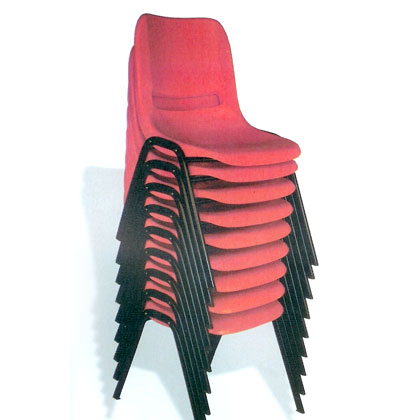
Amyloids are proteins that stack together like stacking chairs, so that each protein is oriented in the same way all along the stack.  In the case of the beta amyloid that makes up the toxic plaque in Alzheimer’s disease, each amyloid peptide is stacked like a hair pin on top of the next to make a fiber.  At the bend in beta amyloid, is a basic amino acid and the amyloid fiber has a band of basic amino acids along its length.  The spacing between the basic amino acids in an amyloid stack is just spanned by Congo Red, so amyloids are diagnostically stained red.  This same spacing of basic amino acids fits the sugars in heparin.  Thus, heparin can catalyze amyloid formation and is abundant in amyloid plaques in Alzheimer’s

Bacterial Biofilms Form from Amyloids and Polysaccharides

The E. coli cells that formed the biofilms that started this article secrete a protein, curli, that stacks as an amyloid into fibers.  These fibers stained by Congo Red and bind to the cellulose that is also produced by the E. coli.  It should not be surprising that biofilm formation is catalyzed by heparin and biofilm formation is a major problem in catheter infection, since heparin is used to coat catheters to keep them from forming blood clots.  Amyloids are also formed from stacked seminal acid phosphatase proteins that form fibers in the presence of heparin and facilitate HIV infection.

Do Biofilms Foment Amyloid Production?

Basic amino acids, sugars, aromatic amino acids and plant phytochemicals all bind each other via their hydrophobic surfaces.  It would not be surprising that bacteria that produce proteins and acidic polysaccharides that interact hydrophobically would also interact with host molecules with a similar spacing of hydrophobic surfaces, which are common in heparin-binding interactions and nucleic acid interactions.  The bacteria in biofilms produce both proteins and polysaccharides that may catalyze amyloid production.  The acidic biofilm polysaccharide, colanic acid, may replace heparan sulfate and curli should bind to heparin.

Berberine Binds Heparin and Blocks Amyloids and Biofilms

Just as bacterial products may compete for host heparin and heparin-binding domains, phytochemicals that interact with heparin, such as the phytochemical berberine, should disrupt heparin mediated molecular interactions, and by extension also biofilms.  There is experimental evidence for berberine both disrupts amyloid formation and biofilm assembly.

Thursday, April 23, 2009

Allergy, Asthma, Autoimmunity Start the Same Way

Inflammation is the current medical buzzword. Name the disease and inflammation is there.

Reproduction Requires Controlled Inflammation
Aspirin blocks many of the steps in triggering inflammation and thus, aspirin administration can be used to reveal a role of inflammation in many unexpected places. Aspirin is effective in blocking some forms of infertility, inhibiting miscarriages and ameliorating postpartum depression. So inflammation is a critical part of reproduction. But, also notice that depression is a symptom of chronic inflammation.

Cancer Requires Inflammation
High dose (IV) aspirin has been successfully used to treat cancer. Inflammation is required for cancer growth, because both use the same transcription factor, NFkB. The aberrant signaling of cancer cells would normally lead to programed cell death, apoptosis, but inflammation blocks apoptosis. Aspirin can in turn block NFkB and in the absence of inflammation, cancer cells die by apoptosis.

Inflammation is Self-Limiting
Aspirin also transforms the COX/lipoxidase system to produce anti-inflammatory prostaglandins/eicosinoids. Inflammation normally progresses into anti-inflammation. Blocking this progression leads to chronic inflammation and a shift from local to systemic inflammation with the rise of inflammatory interleukins in the blood stream.

Immune Response Requires Inflammation
The signal molecules (IL-1, IL-6, TNF) and transcription factor, NFkB, associated with inflammation were all initially identified in the development of lymphocytes. Hence, IL stands for interleukin, a hormone that triggers leukocyte (literally white blood cells or cells associated with the lymphatic immune system, i.e. lymphocytes) development. The nuclear factor, i.e. transcription factor, involved in expression of the large chain, kappa, of immunoglobulins in B cells, was called NFkB.

Genes Expressed by NFkB Cause Symptoms of Inflammation
About five dozen genes are under control of NFkB. Among these are COX-2, the enzyme that converts omega-6 arachidonic acid to inflammatory prostaglandins; iNOS, the enzyme that produces nitric oxide that dilates blood vessels to produce hot, red skin; and the inflammatory interleukins, IL-1, IL-6 and TNF, associated with autoimmune disease, fatigue and cachexia (wasting).

Autoimmunity and Allergy Start with Inflammation
Medical treatments focus on symptom abatement and ignore cause. What causes obesity, allergy or autoimmune disease? The answer appears to be chronic systemic inflammation plus exposure to unusual proteins. The unusual proteins are immunogenic, i.e. interact with the immune system to produce antibodies or reactive T-cell receptors, and are subsequently recognized as autoantigens or allergens, that are the targets for immune attack. Inspection of these autoantigens and allergens shows that they all have one thing in common, they bind to heparin via a strong heparin-binding protein domain that is typically a triplet of adjacent basic amino acids.

Heparin is a Short, Highly Sulfated Fragment of Heparan Sulfate
Commercial heparin is purified from the intestines of hogs and cattle. Heparin is released from mast cells (made fluorescent for microscopy using berberine) along with histamine and is released into the intestines to block pathogens from binding to the heparan sulfate that is part of the intestine surface. The heparin is anti-inflammatory and it contributes to minimizing the inflammatory response of the intestines to food.

Inflammation Reduces Heparan Sulfate Production
Pathogen-generated inflammation of the intestines reduces heparan sulfate production and increases immune response to food antigens. NFkB activation by inflammation turns off the production of some genes needed for heparan sulfate proteoglycan (HSPG) synthesis. Since HSPG is a major component of the basement membrane that holds tissues together, the reduction of HSPG results in protein loss (proteinuria) from kidneys, leaking of intestines, and disruption of the blood/brain barrier.

Reduction of HSPG Results in Immunological Presentation of Autoantigens/Allergens
Proteins are brought into cells by specific binding to protein receptors. In many cases, particularly involving signaling or growth factors, both the signal molecules and the receptors bind to heparin. In addition, there is a robust circulation of HSPG, which is secreted and internalized with a half-life of approximately six hours. The sweep of the HSPGs take heparin-binding proteins with them for internalization, e.g. HIV-TAT, heparanase, tissue transglutaminase. I think that this HSPG sweep under inflammatory conditions also internalizes basic autoantigens and allergens with strong heparin-binding domains. This internalization is the first step toward immunological presentation and the immune response to autoantigens and allergens.

Autoantigen/autoantibody/HSPG Complexes Kill Cells
Antibodies against self-antigens, autoantigens form antigen/antibody complexes that also bind to and cross-link HSPGs, because of the heparin-binding domains of the autoantigens. The large complexes may disrupt HSPG circulation and trigger apoptosis or abnormal physiology. There are many other examples of heparin-based complexes that are toxic, e.g. Alzheimer’s amyloid plaque, diabetic beta cell antibody complexes, celiac gluten/tRG antibody complexes, multiple sclerosis myelin antibody complexes, atherosclerotic plaque.

Anti-Inflammatory Diet and Lifestyle Protects
Dietary and lifestyle adjustments that minimize inflammation, e.g. low starch, no HFCS, low vegetable oil (except olive) and supplements of vitamins D & C, fish oil (omega-3) and glucosamine, reduce the risk of allergies/asthma, degenerative diseases and cancers. Simple, high level supplements with fish oil reduce numerous mental disorders, e.g. depression, ADHD; infertility, pre-eclampsia and postpartum depression; allergies, asthma; arthritis, atherosclerosis; burn recovery, septicemia and head injury.

Reducing Inflammation is a Panacea for Modern Diseases
Most modern diseases have an inflammatory component, because modern diets are rich in inflammatory components, e.g. starch/sugar, corn/soy oil, HFCS, trans fats, and exercise is minimal. The medical industry has not successfully promoted healthy eating and exercise; and in fact has promoted the devastating replacement of saturated fats with inflammatory polyunsaturated vegetable oils. Meat production has moved away from grazing on omega-3-rich plant vegetation to omega-6-rich corn and soy. Replacement of the corn/soy based agricultural economy would have predictably immense beneficial impact in reducing inflammation-based degenerative autoimmune diseases and cancers.

Wednesday, December 24, 2008

Synuclein and Amyloid Diseases

NSAIDs, such as ibuprofen and aspirin are possible treatments to inhibit the aggregation of proteins (synuclein, beta amyloid) on charged polymers in amyloid diseases, such as Parkinson’s disease, Alzheimer’s disease, etc. Contradictory studies show that intracellular aggregate formation may be protective, since dimers are more toxic than aggregates.

The list of amyloid diseases is long and there are few effective treatments. In each case a protein starts to accumulate in fibers that form amyloid plaques inside or outside the cells. The large aggregates outside are toxic. Inside it appears that the large aggregates are not as toxic as small clumps, oligomers, of the protein.

The amyloid proteins are stacked up in the fibers in a very organized way, so that the same portions of the protein are lined up on each side of the fibers. Outside the cell, the regions with basic amino acids interact with heparin, and in Alzheimer’s disease, for example, the beta amyloid plaque is half heparin. In test tube experiments, fiber formation from protein solutions is accelerated by adding heparin.

Amyloid fibers also form inside cells in the case of the tau fibers of Alzheimer’s disease or the synuclein aggregates in Parkinson’s disease. In theses cases, there should not be any intracellular heparin, and it is not known what polyanion (RNA?) serves to accelerate fiber formation in these cases.

Non-steroidal anti-inflammatory drugs (NSAIDs), such as ibuprofen and aspirin, reduce the incidence of Parkinson’s and Alzheimer’s diseases. It has recently been shown that in test tube experiments, NSAIDs also decrease the formation of amyloid fibers from synuclein.

Amyloid fibers can be stained by Congo Red and thioflavin. Curcumin is the active component of tumeric and it has a structure related to Congo Red. Curcumin has been shown in recent studies to block synuclein amyloid formation.

In addition, the heparin in the fiber complexes can be stained with berberine. Berberine is a traditional herbal treatment for arthritis. It would not be surprising if it was also effective against Alzheimer’s amyloid plaque.

The large extracellular plaque aggregates appear to be toxic, but the small, oligomeric aggregate of protein appear to be the toxic form in cells. Recent experiments show that facilitating the formation of large intracellular aggregates minimizes the toxicity in animal models of Huntington’s and Parkinson’s diseases. It appears that the large visible aggregates are not the form that kills the cell.

For the time being, the only safe treatments that focus on amyloid fiber formation are the NSAIDs, curcumin and perhaps berberine.

references:
Hirohata M, Ono K, Morinaga A, Yamada M. 2008. Non-steroidal anti-inflammatory drugs have potent anti-fibrillogenic and fibril-destabilizing effects for alpha-synuclein fibrils in vitro. Neuropharmacology 54(3):620-7.

Pandey N, Strider J, Nolan WC, Yan SX, Galvin JE. 2008. Curcumin inhibits aggregation of alpha-synuclein. Acta Neuropathol. 115(4):479-89.

Bodner RA, Outeiro TF, Altmann S, Maxwell MM, Cho SH, Hyman BT, McLean PJ, Young AB, Housman DE, Kazantsev AG. 2006. Pharmacological promotion of inclusion formation: a therapeutic approach for Huntington's and Parkinson's diseases. Proc Natl Acad Sci U S A. 103(11):4246-51.

Outeiro TF, Kontopoulos E, Altmann SM, Kufareva I, Strathearn KE, Amore AM, Volk CB, Maxwell MM, Rochet JC, McLean PJ, Young AB, Abagyan R, Feany MB, Hyman BT, Kazantsev AG. 2007. Sirtuin 2 inhibitors rescue alpha-synuclein-mediated toxicity in models of Parkinson's disease. Science. 317(5837):516-9.

Monday, November 24, 2008

Crohn’s Disease and Cryptidins

The intestines produce enzymes to digest food, antimicrobial peptides to kill pathogens and have lots of surface area to absorb nutrient molecules released from the food macromolecules (protein, polysaccharides, fats). The epithelial cells that line the intestines, enterocytes, must communicate with bacteria in the gut, the gut flora, to maintain bacteria helpful in food digestion, i.e. probiotic bacteria, and trigger an immune response to eliminate pathogens. Probiotic bacteria are tolerated and pathogens are identified and attacked.

Enterocytes are produced by division of stem cells at the bottom of the crypts that are in the valleys between the villi that project into the lumen where the digesting food is. New enterocytes are added at the base of the villi and old enterocytes are sloughed off at the top of the villi. As the new enterocytes move up the villi, they differentiate to produce the dramatic surface of microvilli, the furry brush border that further expands their surface area. The mature enterocytes produce transport proteins on their microvilli to take up sugars, amino acids and fats. The small nutrient molecules pass through the base of the enterocytes and bath the cells below, the lamina propia. The nutrients enter the capillaries of the villi and travel to the liver. Fats are transported through the lymphatic system.

Bacteria that slip through the enterocyte layer encounter macrophages and other types of white blood cells of the lamina propia. Among these cells are the Paneth cells. Fragments of the cell walls of bacteria bind to the NOD proteins of the Paneth cells and trigger the secretion of antimicrobial peptides, the cryptidins. Cryptidins are antimicrobial because of their array of basic amino acids surrounded by hydrophobic amino acids. These short proteins are able to disrupt the membrane function of most bacteria. I think they work on bacteria the same way that amyloid proteins, e.g. amyloid plaque proteins of Alzheimer’s disease, kill human cells. In fact, amyloid fibers bind to heparin and so do antibiotic peptides.

Here is an example of an antibiotic peptide, cryptidin 4,

GLLCYCRKGHCKRGERVRGTCGIRFLYCCPRR

Note the pairs of basic amino acids (blue). These amino acids are necessary for toxicity to bacteria. Heparin binding domains from proteins are produced naturally as proteins are digested to peptides in the stomach by pepsin. Pepsin hydrolyzes proteins next to the basic amino acids and leaves antimicrobial peptides that sterilize incoming food. I have illustrated the cryptidin protein to show how the basic amino acids (blue) are displayed on its surface.

With each meal, the fat content normally stimulates the production of a hormone, cholecystokinin, that binds to a receptor and causes an anti-inflammatory release of cytokines from the vagus nerves that reach the villi. Thus, food normally makes the intestines more tolerant of food antigens.

If the intestines become chronically inflamed, then exposure to normal probiotic bacteria can lead to cycles of inflammation that damage the integrity of the intestines. The intestines lose the ability to discriminate between probiotic and pathogen.

Crohn’s disease is an inflammatory, autoimmune disease of the bowel. The chronic inflammation of the lamina propia eliminate the ability of the Paneth cells to produce cryptidins and bacteria set up residence in the crypts and cause continual inflammation. This disease is typically treated by suppressing inflammation and treating with antibiotics.

Other treatment approaches that have been found effective are omega-3 oils to stimulate production of anti-inflammatory prostaglandins, pre- and probiotics, heparin and helminth eggs, e.g. wireworm.

Crohn’s disease would seem to benefit from the standard recommendation of an anti-inflammatory diet and lifestyle.

Thursday, November 20, 2008

Brain Arachidonic Acid: Alzheimer’s, Bipolar, Parkinson’s

A recent review article on brain lipid metabolism discussed the results obtained by looking at how the major omega-6 fatty acid, arachidonic acid is imported and used in brain tissue. Arachidonic acid conversion to inflammatory prostaglandins was monitored by extracting lipids from rat brains after a variety of treatments. Similarly, isotopes (13C) of fatty acids were imaged by PET scans in patients treated for Alzheimer’s, bipolar disorder and Parkinson’s disease.

The major findings on brain arachidonic acid (AA, omega-6) and docosahexaenoic acid (DHA, omega-3) are:

  • Ca. 5% of daily dietary AA and DHA are converted to make prostaglandins in the brain. Converted AA and DHA are rapidly replaced by serum AA and DHA.
  • Brain DHA and AA metabolisms are independent.
  • AA and DHA are rapidly circulated into phospholipids (R2 on the diagram) on the endoplasmic reticulum, move to the cytoplasmic membrane (see diagram, gray and white strands) removed by phospholipase A2 in synapses, converted to prostaglandins, leukotrienes, etc., or recycled to phospholipids. Enzymes that catalyze these reactions are usually different for DHA and for AA.
  • Drugs used to treat bipolar disorder (lithium, carbamazepine, valproic acid, lamotrigine) lower AA conversion in rats, but do not affect DHA conversion.
  • Experimentally induced brain inflammation or neurotoxicity increases AA conversion, but not DHA conversion to prostaglandins.
  • An omega-3 fatty acid deficient diet also increases AA, but not DHA conversion.
  • More AA is converted in Alzheimer’s patients. This is consistent with increased inflammation and neurotoxicity in postmortem examinations.
  • Mice that have been genetically manipulated to eliminate alpha-synuclein, a protein implicated in Parkinson’s disease, also show an increase in AA conversion and a decrease in DHA conversion.

Interpretation: Inflammation in the brain is separate from the rest of the body, but is the foundation of many brain disorders, including Alzheimer’s disease, bipolar disorder and Parkinson’s disease. In these disorders, arachidonic acid is rapidly converted into inflammatory prostaglandins and leukotrienes. Drugs that reduce symptoms, reduce AA conversion.

A diet rich in omega-3 DHA and reduced omega-6 arachidonic acid reduces the symptoms of these diseases -- an anti-inflammatory diet and lifestyle should be the first line of defense against brain/mental disorders.

reference:
Rapoport SI. 2008. Brain arachidonic and docosahexaenoic acid cascades are selectively altered by drugs, diet and disease. Prostaglandins Leukot Essent Fatty Acids. Oct 28. [Epub ahead of print]