Anti-Inflammatory Diet

All health care starts with diet. My recommendations for a healthy diet are here:
Anti-Inflammatory Diet and Lifestyle.
There are over 190 articles on diet, inflammation and disease on this blog
(find topics using search [upper left] or index [lower right]), and
more articles by Prof. Ayers on Suite101 .

Showing posts with label necrotizing enterocolitis. Show all posts

Wednesday, June 24, 2015

Making Monsters, Renegade C. butyricum and E. coli

Clostridium
It is common knowledge that our gut is teeming with good bacteria that we feed with prebiotic fiber to keep us healthy.  But a sick gut, caused by antibiotics or fiber deficient processed food, can make us susceptible to infection with pathogens, such as the notorious, toxin-producing strains of E. coli that cause food poisoning or Clostridium difficile, a.k.a. C. diff. of hospital infections.  What prompted me to write this post, was reading that premature babies in neonatal intensive care units are dying from gut infections caused by a pathogenic strain of C. butyricum, known as a probiotic that provides protection from C. diff.

New Toxin-Producing, Antibiotic Superbugs are Manmade
Closer examination of the report revealed that the new strain of C. butyricum is a toxin producer.  This made a lot of sense to me.  When I started working with E. coli in the early 70’s, it was known as the safe ubiquitous lab bacterium that everyone cultivated in their colons.  Similarly, C. butyricum is present in commercial probiotics and is a hero for producing butyric acid from resistant starch, promoting immune system development and reducing inflammation.  How did these beneficial gut bacteria become converted into pathogens?

Antibiotic and Drug Use in Hospitals and Farms Select for Antibiotic Resistance
C. butyricum and E. coli have been converted into toxin-producing, antibiotic resistant pathogens by common procedures of meat production and hospital treatments.  These bacteria do not normally produce toxins nor are they resistant to antibiotics.  They have been systematically selected for those pathogenic properties.

Common Practices in Neonatal Intensive Care Units Lead to NEC
Chronic inflammation is one of the common contributing factors to premature births, because labor is stimulated by a spike of inflammation, normally occurring at 40 weeks of gestation.  Chronic inflammation from autoimmune disease, infection, or obesity, can cause labor to be early and a newborn to be unprepared for life without some special care.  Unfortunately, there is not uniform enlightenment about the development of newborn gut flora, and immature newborns are exposed to antibiotics and formula, which prevent normal gut flora development.  C. butyricum is not present in low birth weight babies exclusively fed breast milk, but the combination of antibiotics and formula select for colonization by antibiotic resistant hospital strains of C. butyricum.  This sets the stage for necrotizing enterocolitis, NEC, which is as nasty and lethal as the name suggests.

Antibiotics Used to Make Fat Cattle Select for Toxin Production
The development of toxin producing E. coli in cattle suggests how pathogenic C. butyricum was produced in the hospital environment.  E. coli was a healthy component of the digestive system of cattle, until the gut flora community was reengineered by antibiotics, so that short chain fatty acids that were normally converted into more gut bacteria and more steer manure, were instead absorbed by the gut to produce a fatter steak.  Unfortunately, this newly designed gut flora community left no place for E. coli.  Some of the E. coli spontaneously mutated to antibiotic resistance and/or picked up multi-drug resistant plasmids from other bacteria, but that still didn’t provide a niche in the new community.  Picking up a toxin-producing gene solved that problem, because the toxin releases needed nutrients from host cells.  Thus, antibiotic use in cattle directly selected for the evolution of toxin-producing, antibiotic resistant E. coli.


Antibiotics and Formula Use Lead to NEC Bacteria
Toxin-producing C. butyricum would be expected to develop in the hospital environment, because high antibiotic use will select for multiple drug resistant C. butyricum, and the disrupted gut flora produced in the presence of antibiotics will also favor toxin producing strains.  Thus, the hospital environment selects for toxin-producing, multiple drug resistant C. butyricum.  The gut flora of newborns in a neonatal intensive care unit are acquired from the staff and relatives that handle the babies.  Since the babies are routinely treated with antibiotics and drugs, multiple drug resistant bacteria, including C. butyricum, are common in fecal samples of neonates and persist for at least two years. 
Breastfeeding or Donor Bank Milk Avoids NEC Caused by Formula
Exclusive use of breastmilk from mothers, donor banks or breastmilk products, eliminates NEC.   Some hospitals respond to the scientific evidence and use only breastmilk for newborns.  Other hospitals simply stick to old practices until law suits force them to change.  They continue to use formula and cow’s milk products,  even though breastmilk is available, and as a consequence NEC is still a problem. Prejudice against breastmilk persists and there is intense promotion of commercial alternatives that contribute to NEC.  None of the alternatives containing probiotics and prebiotics have been found to be adequate.   Hospitals are slow to change, because patients are uninformed and low birthweight babies continue to die.

Tuesday, April 29, 2014

Breast Is Still Best, but Second Best is Donor Milk Banks

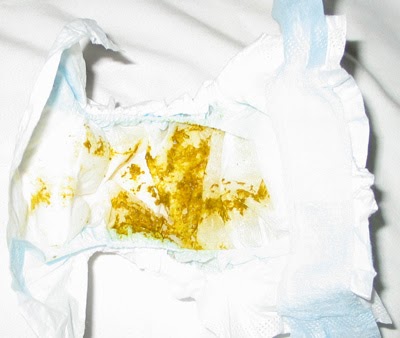
Milk is a baby's first prebiotic and a major function of mother's milk is to prevent adult gut bacteria from inflaming a newborn's gut, before the gut is sealed up and a new immune system is developed. Formula companies scurry to get parents hooked on their expensive substitutes that promise ease of use and nutritional equivalence, but the sad truth is that these artificial milk substitutes undermine baby gut flora with tragic results.  Even in the rare cases where mothers are not able to breastfeed their babies, there is a safe alternative, donor milk banks.  This post is a plea for new parents to wise up and smell the poop.  You may need to tell hospital staff that you will be checking diapers and taking names to make sure that your baby only gets your breast milk.


Background: Up Close and Personal Birth and Breastfeeding
I have been personally and professionally concerned about the care and nurturing of babies for the past three decades.  I was introduced to breastfeeding, milk and babies by my wife.  My first faculty position was teaching premed students at Harvard and my wife was a nurse at the Harvard Medical School affiliate, Brigham and Women's Hospital.  We honeymooned near a well baby clinic in Malawi.  My three daughters were all born at home and never used formula -- they started to eat some mashed up food at about six months and continued to nurse for more than two years.  My wife worked evening shifts, she provided some pumped milk and I drove the girls back and forth, so she could nurse during her break.  She was also a La Leche League leader for more than 25 years, was co-founder of the Singapore branch of LLL and has been an International Board Certified Lactation Consultant for 20 years.  Because of our applied discussions of lactation, I also spent several years studying passive immunity and tolerance of the mucosal immune system of the gut.

First Flora
Breast milk is nutritive for the newborn, but it also establishes the baby's gut flora.  It is the quality of the gut flora, which species of bacteria, that determines if a newborn will thrive or die.  If the baby is delivered by Caesarian, then her first gut flora will resemble the nursery staff.  If she forces her way out the old fashioned way, her first flora will resemble her mother's vaginal flora.  Interestingly, as birth approaches, the mother's vaginal flora shifts toward that found in fermented dairy products, i.e. dairy probiotics.  As soon as milk starts to reach the mother's nipples prior to birth, it is colonized by lactic acid bacteria, the only bacteria that can survive in the harsh milk environment.  Thus, breast milk is the source of both food and flora, and it is not surprising that breastfed baby poop looks and smells like curds and whey.

Breast Milk Kills Adult Gut Flora
I used to enjoy watching the student perplexity when E. coli in lab experiments progressively died in contact with raw milk.  All of the ingredients in milk conspire against normal adult gut bacteria to withhold essential vitamins, minerals and macronutrients.  The baby' stomach enzymes also convert milk proteins into antimicrobial peptides, e.g. lactoferrin into lactoferricin (FKCRRWQWRMKKLGAPSITCVRRAF, note the heparin-binding domains consisting of basic amino acids, K & R.)  Human milk oligosaccharides (HMOs, bifidus factor) are abundant in breast milk and block the attachment of pathogens to the lining of the gut to prevent infection.  At the same time, milk hormones seal the intestines to prevent leakiness.

Formula Kills Pathogens with Inflammation
Formula provides macronutrients for rapid weight gain (obesity risk), but lacks the protective components of breast milk.  The result is a rapid and irreversible shift to dominant adult gut flora and the fecal smell of E. coli.  It is not surprising that the use of formula in under developed countries results in a high rate of infant mortality.  It is, however, surprising that the gut inflammation caused by formula provides enough protection to permit its use in countries with high hygiene and good water quality.

Hospital Use of Formula and Bovine Products Increases Infant Mortality
Full term babies are pretty tough and have been known to survive major calamities in addition to formula-induced inflammation.  Tiny preterm newborns are a different story and their immature GI tracts are fragile.  Unfortunately, the first line of defense for the newborn gut, newborn gut flora, is frequently ignored in neonatal intensive care nurseries, and a major killer of preterm newborns is necrotising enterocolitis (NEC), in which bacteria common to adults overruns the immature gut.  NEC is dramatically reduced by using only breast milk, but hospital nurseries change slowly and doctors, staff and parents are unaware that formula and cow's milk products put newborns at increased risk.

Night Nurses Would Rather Feed Formula
Recent studies show that newborns designated as "breast milk only" are still given bottles of formula, because night nurses don't understand the risks of formula and enjoy feeding the babies.  The mothers are not usually told that their baby received formula and inexperienced mothers fail to recognize why their baby never had normal bowel movements.  Some hospitals continue to use bovine, cow milk, products simply because they always have and they are unaware of the damage to newborn gut flora and the cause of NEC.

Donor Milk Banks
Some mothers produce more milk than their baby needs and so they arrange to donate the extra to milk banks.  The milk banks pasteurize and distribute the milk.  Many hospitals are unfamiliar with milk banks and donations have not been energetically encouraged, so both the supply and demand for donor milk are developing.  It is important to realize that newborn and premature babies have very small stomachs of only a few ounces, and some mothers can easily produce a cup of milk at each feeding.  Thus, the cost of using only breast milk by all babies for their first few days after birth is negligible compared to the risk of disease caused by formula use. 

Demand at Least Second Best

The bottom line is that parents must demand that only breast milk be used in hospitals, even if it must be from milk banks, and all parents must be able to check diapers for the yogurty smell typical of exclusively breastfed babies.

For more information see the Human Milk Banking Association of North America

Saturday, January 25, 2014

Milk, Kefir and Gut Flora


Milk is a dramatic manipulator of gut flora.  It is a baby’s first food and provides necessary nutrients, but of equal importance, it crafts a community of gut microorganisms that develop the gut and immune system of babies.  Breastfed babies receive protein, fat and sugar, but they also coat their tiny stomachs and even their respiratory system with maternal lymphocytes and bacteria.  The major carbohydrate in breast milk is lactose, but there are other prebiotic oligosaccharides (HMO, human milk oligosaccharides) and polysaccharides (GAGs, glycosaminoglycans) related to heparin and chondroitin, which carefully limit which bacteria can grow in babies.  There are firm reasons why exclusively breastfed babies have diapers that smell like yogurt and look like curds and whey.

Milk Shows an Exaggerated Interaction between Food and Flora
Evolutionary selection is extreme to favor women who can successfully birth large babies and nurture them for years on breast milk.  Fewer than 5% of women in a general population need medical intervention for gestation, labor, delivery and breastfeeding.  Essentially all women and babies are genetically predisposed to healthy childbirth and milk-based child development.  Clearly, milk is powerful and an examination of the composition of milk should yield information on the interaction between food and gut flora.

Milk is the Prebiotic for Dairy Probiotics
Traditional preservation of cow's milk produces fermented kefir, butter, yogurt, cheeses, etc.  These are all controlled fermentations that begin by converting lactose into lactic acid.  Michael Pollan devoted a major section of his book, Cooked, to the cultural ramification and biology of fermentation.  It seems magical that leaving milk to sour will reproducibly yield a common dairy beverage.  When I taught microbiology, I had students spike raw cow’s milk with E. coli and then measure the decreasing survival of these common gut bacteria that are actively excluded from dairy fermentation.  One of the lessons here is that milk stops the growth of adult gut bacteria and supports the growth of lactic acid bacteria found in baby diapers and used to make fermented dairy products.

Milk is Toxic to Most Microorganisms, until Digested
Enzymes in the stomach convert milk proteins into antimicrobial peptides.  Later in the small intestines, pancreatic proteases digest and inactivate the peptides until they are converted into amino acids and are absorbed by the intestinal microvilli.  Milk is a natural antibiotic and is used ritually for cleansing wounds and pruning hooks.  Ritual fire walking ends by walking through a pool of cow’s milk.  The spread of plant disease in orchards from tree to tree is minimized by dipping pruning tools in milk.  The proteins, fatty acids and carbohydrates in milk kill or inhibit the growth of viruses, bacteria and fungi.  Early studies of the bacteria in breastfed babies showed an exclusive group of lactic acid bacteria and an absence of adult gut bacteria.  Breast milk was shown to contain a “bifidus factor” that selected for baby gut flora and this special ingredient was later shown to consist of a complex mixture of short chains of sugars, human milk oligosaccharides.  Thus, human milk is good for babies, but bad for adult gut flora because most of the protein, fat and carbs are digested and no soluble fiber remains for colon gut flora. 

Formula Kills Baby Gut Flora
Formula made from cow's milk or soy is toxic to baby gut flora and even a single bottle of formula can permanently damage it.  The disastrous impact of formula on gut flora is readily observed in the change to smelly diapers.  Mothers trying to give the best start to their babies can tell when the night nurse got lazy and just fed her baby a bottle of formula!  Use of formula in hospitals instead of mothers nursing or using donor milk greatly increases contamination of babies with deadly strains of hospital bacteria, e.g. C. dificile, and causes necrotising enterocolitis.  The only reason that babies can survive formula and the growth of adult gut flora in the first weeks of life, is that the disrupted gut flora is highly inflammatory and the inflamed gut provides some protection from infection.  Babies are tough, but there is no reason for hospitals to continue to use formula when research clearly shows that it is a risk to the health of babies.  Health concerns are forcing hospitals to encourage exclusive breastfeeding, but more work needs to be done so that donor breast milk is the alternative.

Raw Avoids Risks of Pasteurization and Ultra Homogenization
Milk straight from the udder contains natural dairy probiotics that are fit for a calf.  Dairy probiotics are different from baby gut flora and calves are different from babies, so cow milk is not appropriate for babies.  Processing cow's milk by heat (pasteurization) or extreme mixing to make ultra small fat droplets (homogenization) changes the structure of milk to increase storage shelf life, but the restructuring also produces some health risks for gut and gut flora.  Since leaves are rich in short chain omega-3 fatty acids and seeds are rich in omega-6s, grass fed cows produce healthier (higher 3/6 ratio) milk that may not store as well.

Kefir is a Yeast and Bacteria Biofilm
Commercial dairy products are uniform, because they are made from milk using defined mixtures of pure cultures of bacteria and fungi.  These dairy probiotics can substitute but not replace gut flora, because they can't grow in a healthy gut.  Kefir is a little different, because the kefir grains are biofilms of yeast and bacteria held together by a polysaccharide called kefiran made by a bacterial enzyme that rearranges the glucose and galactose sugar residues of lactose.  The point here is that if you grow your own kefir, you may end up with many species of bacteria and some may be able to contribute to your gut flora.  Many supermarket "kefirs" are just a blend of common dairy probiotics and maybe some inulin, and have no benefits over commercial yogurt.


Dairy products are nutritious, but will not benefit the health of your gut flora (fermented vegetables are a better choice), because they lack soluble fiber and do not contain gut flora, but your gut flora may adapt to the inherently disruptive nature of raw milk.

Friday, May 28, 2010

Necrotising Enterocolitis, Low Birth Weight and Formula

Human Milk and Milk Supplements Protect Newborns

Babies born prematurely are at risk of a serious bacterial infection of the intestines, necrotizing enterocolitis (NEC), that can be prevented if formula based on cow’s milk products is avoided and human milk is used for all feedings.
Human Milk Protects Against Formula Based NEC
Feeding low birth weight, premature babies formula made from cow’s milk increases their risk of NEC ten fold.  Replacement of some of the cow’s milk formula with human milk from a milk bank reduces NEC. 
Human Milk and Cow’s Milk Are Very Different
What is present in human milk that protects against NEC?  The major components in milk are proteins, lactose, fats and oligosaccharides (short to medium length chains of sugars.)  Human milk and cow’s milk have the same amount of fat (35 grams/liter) and about the same amount of lactose (65 vs. 45 g/l) and protein (10 vs. 35 g/l).  The big difference is in the amount (5-10 vs. 0.05 g/l) and quality of oligosaccharides.  Human milk has more than 100 times the amount of oligosaccharides as cow’s milk.  That also means that about 10% of the carbohydrates in human milk are non-nutritive human milk oligosaccharides (HMOs).
HMOs Are Not FOS
Human milk oligosaccharides are complex, with over 200 different structures identified so far.  Essentially they are made up of a lactose (a disaccharide consisting of galactose linked to glucose) extended by different numbers of N-acetyllactosamine (lactose with a modified glucose) and a few other sugars attached a various locations.  A different enzyme is used for each modification and the synthesis of these oligosaccharides has not yet been figured out in detail.  More than a dozen different genes are devoted to the synthesis of these oligosaccharides.  These oligosaccharides are not structurally or functionally related to the frucose oligosaccharides used as prebiotics.
HMOs Are Prebiotic and Stop NEC
Human milk oligosaccharides have been tested both for their ability to act as prebiotics to encourage the development of normal baby gut flora and to suppress NEC.  The HMOs were found to be the elusive bifidus factor that stops the development of adult gut flora and facilitates only the development of the Bifidobacterium bifidum monoculture found in exclusively breastfed babies.  HMOs also reduce NEC in the same way as whole human milk.  Another interesting aspect of HMOs is that they modify the oligosaccharides produced on the surface of baby intestinal cells.  Babies fed human milk also secrete HMOs in their urine, indicating that ingested HMOs are absorbed in the intestines and reach the blood stream.
Neonatal Nurseries Should Use Only Human Milk
Human milk is now available to neonatal intensive care nurseries through milk banks and purified components of human milk are also available to supplement feedings for very low birth weight premature babies.  Nursing is still best for baby and mother, but those mothers who choose not to nurse need not compromise the health and development of their babies by using cow’s milk-based formula or supplements.  Every dollar spent on pasteurized donor milk ($3/oz.) reduces costs in neonatal intensive care units by more than ten dollars.  It seems to be time to eliminate the added risks of formula use in hospitals and provide every baby with a healthy start and normal gut flora by only using human milk products in hospitals.
ref.
Lars Bode. 2009.  Human milk oligosaccharides: prebiotics and beyond 
Nutrition Reviews® Vol. 67(Suppl. 2):S183–S191