Anti-Inflammatory Diet

All health care starts with diet. My recommendations for a healthy diet are here:
Anti-Inflammatory Diet and Lifestyle.
There are over 190 articles on diet, inflammation and disease on this blog
(find topics using search [upper left] or index [lower right]), and
more articles by Prof. Ayers on Suite101 .

Showing posts with label C. dificile. Show all posts

Thursday, January 22, 2015

Essential Oils, Phytoalexins, Drugs Are All Antibiotics

---  the other 200 posts  ---
Superbug multidrug resistant plasmid
A recent, informative article by Tori Rodriguez for The Atlantic suggests that,


I want to discuss other ramifications of using essential oils as antibiotics to avoid multiple antibiotic resistant superbugs.

The logic for using essential oils in place of medical antibiotics is compelling: 
  • Essential oils are extracts of plants, which have myriad traditional uses, including food.
  • Most antibiotic use is to increase livestock production. 
  • Antibiotics selectively kill gut bacteria in livestock and make them obese.
  • Antibiotic resistance occurs within a week of use in livestock (or people.)
  • Medical antibiotics are quickly losing efficacy.
  • Antibiotic resistance genes quickly move from agriculture to superbugs to people.
  • Plants/essential oils contain natural antibiotics that kill gut flora and increase livestock productivity.
  • Resistance to essential oil antibiotic activity is slower, because of simultaneous use of multiple antibiotics.

Obesity is a Symptom of Antibiotic Damage to Gut Microbiome
Antibiotics make meat fatter
We may enjoy a fat marbled steak, but the corn and antibiotics used to produce that mouth-watering plate of satiety, is not so healthy.  Corn and antibiotics make that meat on the hoof fit for human consumption, but the cattle are quickly dying and the fat marbling is a symptom of cattle metabolic syndrome.  The corn and antibiotics disrupt the bovine gut microbiota and alter energy flow.  The result is prime beef. 

As It Is with Cattle, so It Is with Middle Americans
General descriptions of Americans with metabolic syndrome and steers ready for the abattoir are similar.  That should not be surprising, because both are caused by damaged gut microbiota and consequences of metabolic syndrome.  Americans routinely damage their gut microbiota with antibiotics (processed food, etc.) and the major symptoms of the resulting gut dysbiosis are chronic inflammation, depression, autoimmune diseases, obesity and metabolic syndrome.  Repairing gut microbiota reverses all of these symptoms. 

But Essential Oils Are Just Natural Antibiotics
Essential oils are natural antibiotics
Is it better to use essential oils than medical antibiotics to fatten cattle or treat Lyme disease or hospital infections such as C. diff.?  Most pharmaceuticals were derived from plants or fungi and were originally used to kill microorganisms, i.e. they were natural antibiotics.  We call these phytochemicals by a variety of names, e.g. antioxidants or essential oils, but they are more appropriately called phytoalexins, all natural, all plant, all toxic antibiotics.  It is entertaining that essential oils have had so many different traditional and pharmaceutical uses, and yet they have always been experienced by microorganisms (and our livers) as simply toxic.  Essential oils do have the significant advantage of being a mixture of antibiotics and might be very useful where pharmaceutical antibiotics have problems.  The toxicity of essential oils, especially toward gut bacteria, should not be ignored.

Resistance to Essential Oils as Antibiotics
Antibiotic resistance develops in sewage
I previously kept track of laboratory strains of bacteria by simply exposing large numbers of the bacteria to an antibiotic and selecting for the rare individual that had already spontaneous mutated (DNA replication error of one in a million).  We could then use the new drug resistant strain in experiments and identify it by its resistance.  The same thing happens to your gut bacteria with an overnight exposure to an antibiotic.  And of course it also occurs immediately in livestock exposed to antibiotics or in sewage plants where tons of antibiotics and gut bacteria are mixed.  Resistance to each of the chemicals in an essential oil also would rapidly occur, if bacteria were exposed to each alone and in a  toxic concentration.  This is repeatedly observed, since commonly used drugs are just individual components of essential oils that have been produced in large amounts in pills and marketed based on their predominant physiological activity, rather than just another antibiotic.  Thus, resistance to a statin or Metformin, as antibiotics, could be easily observed (even on multiple drug resistance plasmids), but is just ignored.

Essential Oils Are just Mixtures of Natural Antibiotics
Statins from fungal antibiotics
The impact of essential oils on gut microbiota is unpredictable, because the composition of essential oils is highly dynamic and so are gut microbiota.  Each component of an essential oil has a different spectrum of toxicities to hundreds of different target proteins to each of the hundreds of different species of bacteria in the human gut.  Ingested essential oils are modified by the detox enzymes of the intestine and liver.  The modified phytochemicals have different toxicities and act as additional antibiotics.  Mixtures of antibiotics, as in essential oils, less likely to select for resistance than individual antibiotics, but an antibiotic is still just an antibiotic, regardless of whether it is straight from the plant or via a pharmaceutical salesman. 

Common Medicines Are the Source of Superbugs

Common meds are antibiotics
Doctors with prescription pads and steers eating antibiotics are blamed, I think unjustly, for the crisis of antibiotic resistance.  The real culprit is you taking NSAIDs, statins, proton pump inhibitors, antidepressants and other common medicines.  Since they are all developed from plant antibiotics, they are still antibiotics, and they still select for antibiotic resistance.  It is important to remember that pharmaceuticals are repurposed natural antibiotics from plants.  The answer to the superbugs that are resistant to all of the common antibiotics is to dramatically reduce the use of all pharmaceuticals.  The initial goal should be a 90% reduction.  Costly pharmaceutical chemicals could be replaced with preventive diets and less disruptive manipulations of gut microbiota, e.g. ingestion of capsules containing freeze-dried gut flora.  This more gentle approach to health care would also provide huge cost savings, as well as vastly improving health.

Saturday, January 25, 2014

Milk, Kefir and Gut Flora


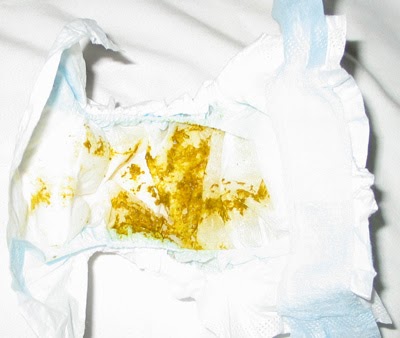
Milk is a dramatic manipulator of gut flora.  It is a baby’s first food and provides necessary nutrients, but of equal importance, it crafts a community of gut microorganisms that develop the gut and immune system of babies.  Breastfed babies receive protein, fat and sugar, but they also coat their tiny stomachs and even their respiratory system with maternal lymphocytes and bacteria.  The major carbohydrate in breast milk is lactose, but there are other prebiotic oligosaccharides (HMO, human milk oligosaccharides) and polysaccharides (GAGs, glycosaminoglycans) related to heparin and chondroitin, which carefully limit which bacteria can grow in babies.  There are firm reasons why exclusively breastfed babies have diapers that smell like yogurt and look like curds and whey.

Milk Shows an Exaggerated Interaction between Food and Flora
Evolutionary selection is extreme to favor women who can successfully birth large babies and nurture them for years on breast milk.  Fewer than 5% of women in a general population need medical intervention for gestation, labor, delivery and breastfeeding.  Essentially all women and babies are genetically predisposed to healthy childbirth and milk-based child development.  Clearly, milk is powerful and an examination of the composition of milk should yield information on the interaction between food and gut flora.

Milk is the Prebiotic for Dairy Probiotics
Traditional preservation of cow's milk produces fermented kefir, butter, yogurt, cheeses, etc.  These are all controlled fermentations that begin by converting lactose into lactic acid.  Michael Pollan devoted a major section of his book, Cooked, to the cultural ramification and biology of fermentation.  It seems magical that leaving milk to sour will reproducibly yield a common dairy beverage.  When I taught microbiology, I had students spike raw cow’s milk with E. coli and then measure the decreasing survival of these common gut bacteria that are actively excluded from dairy fermentation.  One of the lessons here is that milk stops the growth of adult gut bacteria and supports the growth of lactic acid bacteria found in baby diapers and used to make fermented dairy products.

Milk is Toxic to Most Microorganisms, until Digested
Enzymes in the stomach convert milk proteins into antimicrobial peptides.  Later in the small intestines, pancreatic proteases digest and inactivate the peptides until they are converted into amino acids and are absorbed by the intestinal microvilli.  Milk is a natural antibiotic and is used ritually for cleansing wounds and pruning hooks.  Ritual fire walking ends by walking through a pool of cow’s milk.  The spread of plant disease in orchards from tree to tree is minimized by dipping pruning tools in milk.  The proteins, fatty acids and carbohydrates in milk kill or inhibit the growth of viruses, bacteria and fungi.  Early studies of the bacteria in breastfed babies showed an exclusive group of lactic acid bacteria and an absence of adult gut bacteria.  Breast milk was shown to contain a “bifidus factor” that selected for baby gut flora and this special ingredient was later shown to consist of a complex mixture of short chains of sugars, human milk oligosaccharides.  Thus, human milk is good for babies, but bad for adult gut flora because most of the protein, fat and carbs are digested and no soluble fiber remains for colon gut flora. 

Formula Kills Baby Gut Flora
Formula made from cow's milk or soy is toxic to baby gut flora and even a single bottle of formula can permanently damage it.  The disastrous impact of formula on gut flora is readily observed in the change to smelly diapers.  Mothers trying to give the best start to their babies can tell when the night nurse got lazy and just fed her baby a bottle of formula!  Use of formula in hospitals instead of mothers nursing or using donor milk greatly increases contamination of babies with deadly strains of hospital bacteria, e.g. C. dificile, and causes necrotising enterocolitis.  The only reason that babies can survive formula and the growth of adult gut flora in the first weeks of life, is that the disrupted gut flora is highly inflammatory and the inflamed gut provides some protection from infection.  Babies are tough, but there is no reason for hospitals to continue to use formula when research clearly shows that it is a risk to the health of babies.  Health concerns are forcing hospitals to encourage exclusive breastfeeding, but more work needs to be done so that donor breast milk is the alternative.

Raw Avoids Risks of Pasteurization and Ultra Homogenization
Milk straight from the udder contains natural dairy probiotics that are fit for a calf.  Dairy probiotics are different from baby gut flora and calves are different from babies, so cow milk is not appropriate for babies.  Processing cow's milk by heat (pasteurization) or extreme mixing to make ultra small fat droplets (homogenization) changes the structure of milk to increase storage shelf life, but the restructuring also produces some health risks for gut and gut flora.  Since leaves are rich in short chain omega-3 fatty acids and seeds are rich in omega-6s, grass fed cows produce healthier (higher 3/6 ratio) milk that may not store as well.

Kefir is a Yeast and Bacteria Biofilm
Commercial dairy products are uniform, because they are made from milk using defined mixtures of pure cultures of bacteria and fungi.  These dairy probiotics can substitute but not replace gut flora, because they can't grow in a healthy gut.  Kefir is a little different, because the kefir grains are biofilms of yeast and bacteria held together by a polysaccharide called kefiran made by a bacterial enzyme that rearranges the glucose and galactose sugar residues of lactose.  The point here is that if you grow your own kefir, you may end up with many species of bacteria and some may be able to contribute to your gut flora.  Many supermarket "kefirs" are just a blend of common dairy probiotics and maybe some inulin, and have no benefits over commercial yogurt.


Dairy products are nutritious, but will not benefit the health of your gut flora (fermented vegetables are a better choice), because they lack soluble fiber and do not contain gut flora, but your gut flora may adapt to the inherently disruptive nature of raw milk.